
NO MAN'S LAND
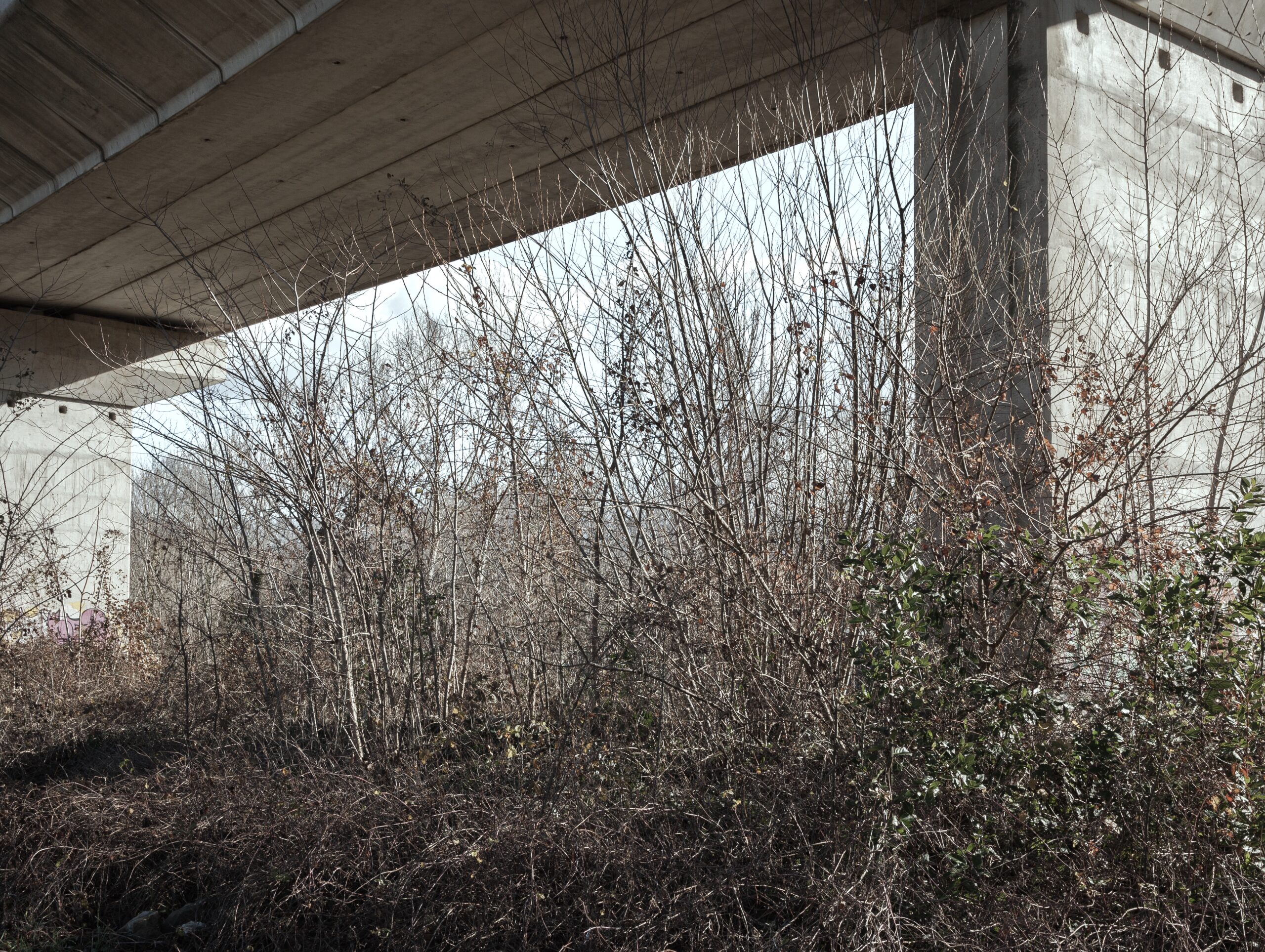
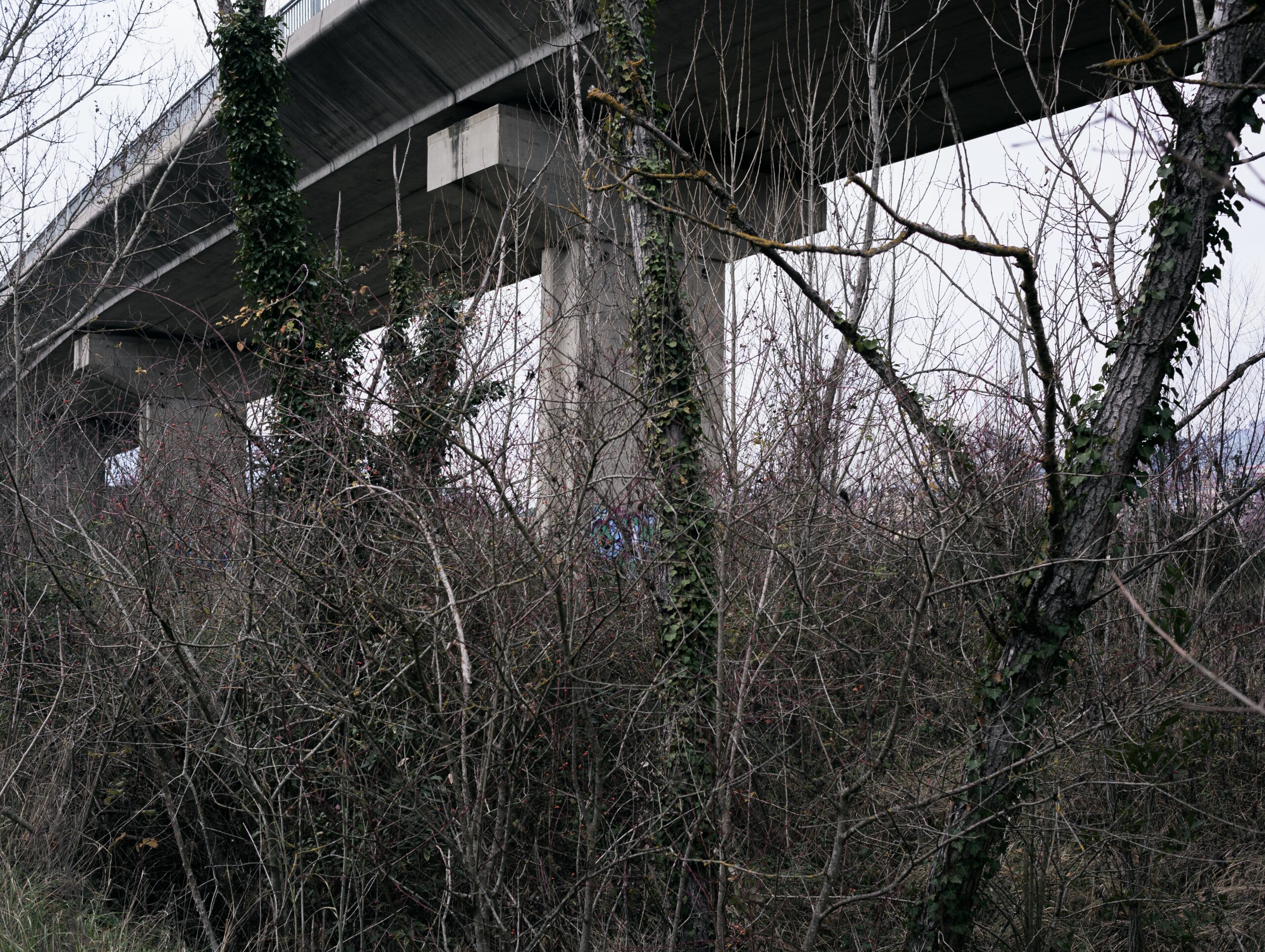
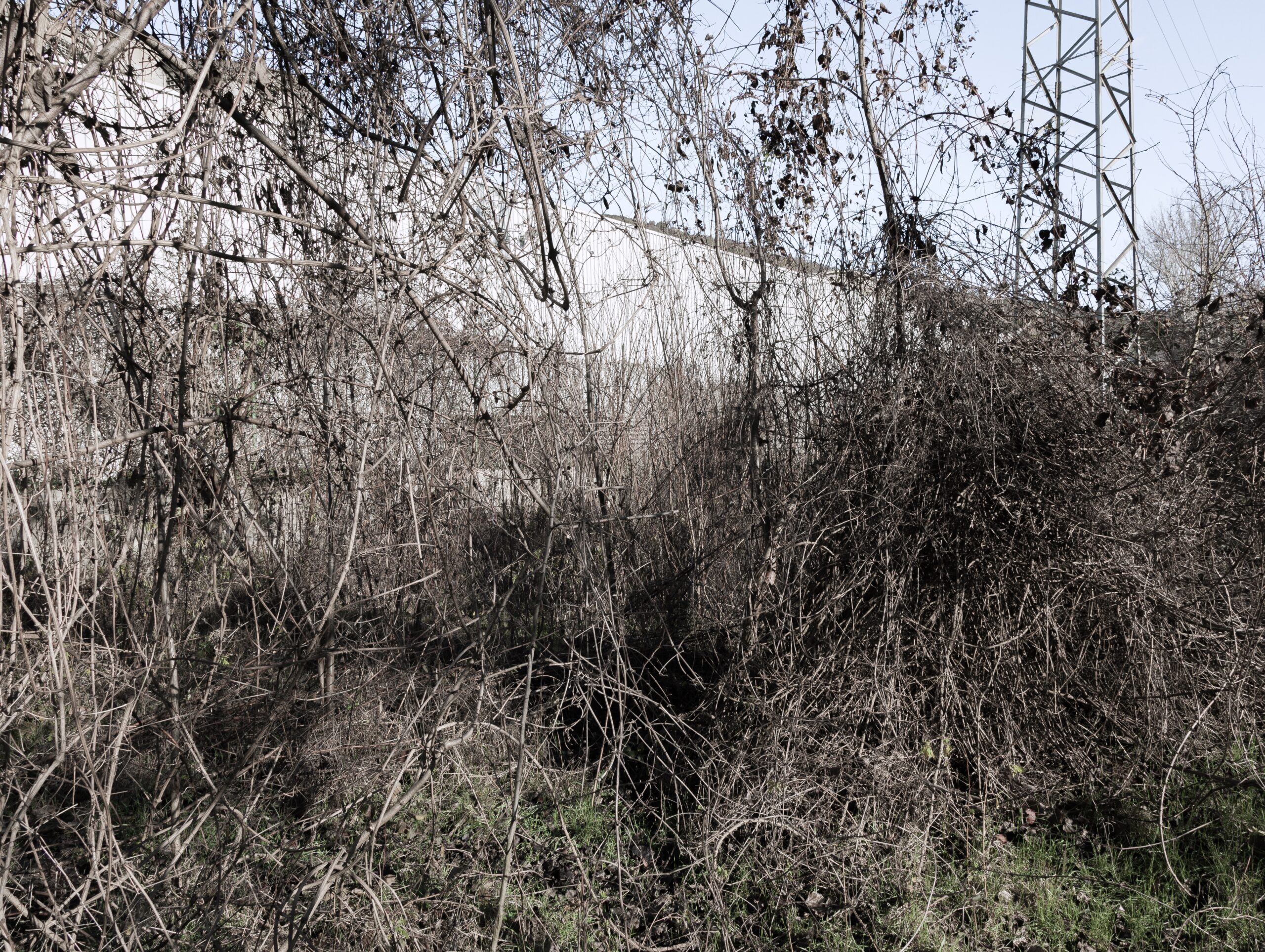
The triangle of land that lies at the confluence of the Arno and the Sieve is part of the kind of contemporary landscape common to so many cities, not only in Italy, that U.S. architectural historian Richard Ingersoll has called Urban Sprawl, “hybrid places in which the caesura between city and country is consummated.” Many discordant subjects coexist and overlap in this small triangle: the upper side is overlooked by the large area of italcementi, a disused industry. A little further down, two regional railway lines still operate. On opposite sides, the almost pristine river landscape offers vistas enlivened by lush tree vegetation. In the center, largely uncultivated fields and vegetable gardens, overlooked by a road junction supported by giant concrete pillars.
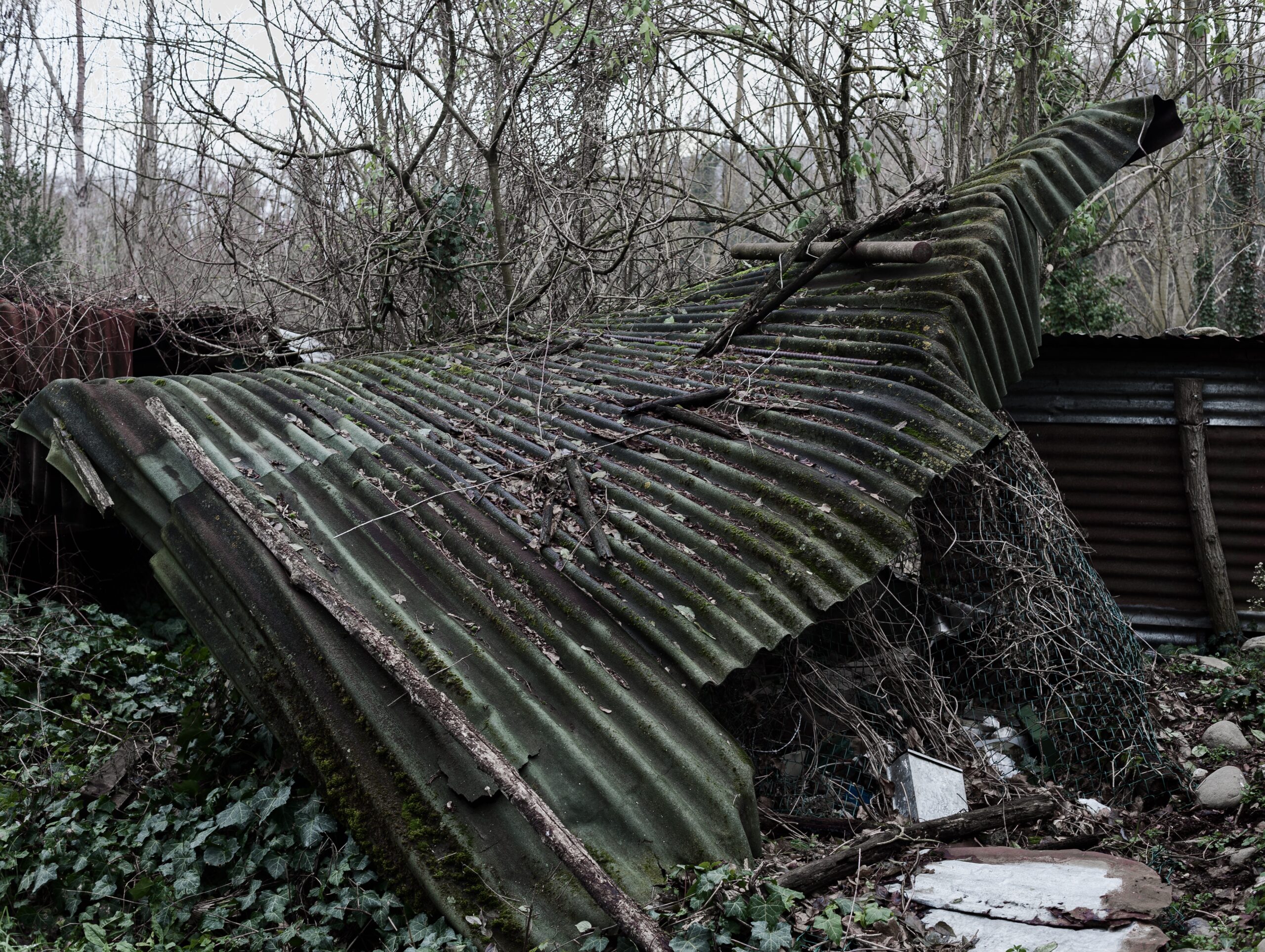
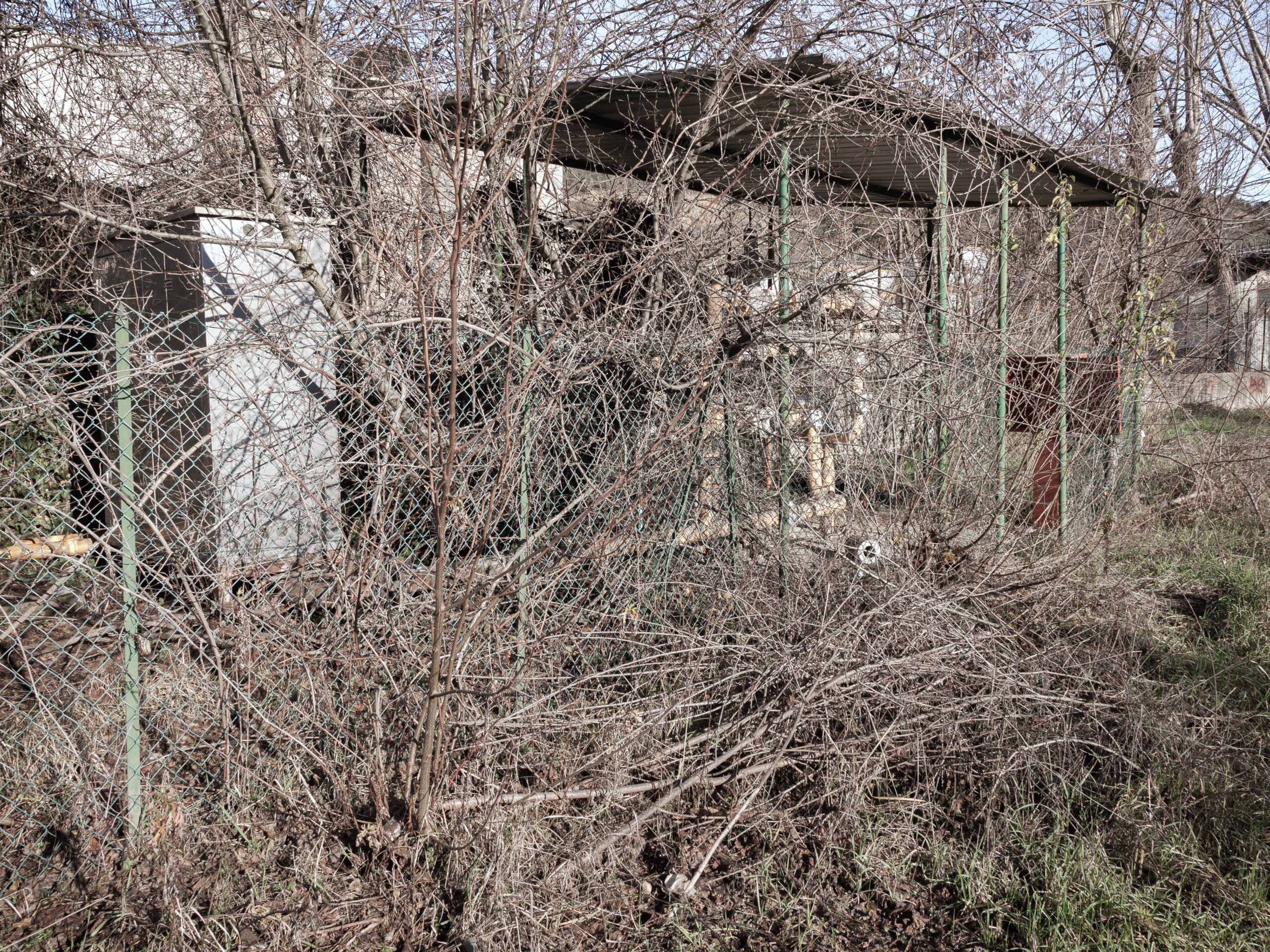
During my first inspection, I decided to focus on the strong, obvious relationship between the infrastructure and the natural landscape. The winter season, cold, grazing light, and bare vegetation intertwined with industrial artifacts, were perfect for rendering the desolate atmosphere, the sense of chaos and bewilderment of the place. I began to explore photographing these kinds of landscapes in the 1980s, fascinated by places without a precise identity, seemingly abandoned, suspended in an uncertain temporal dimension.
Since then I cultivate a kind of attraction to these no-man’s-lands, where I venture out in search of signs and human presences that inhabit these desolate areas. Film directors and photographers who have set their works in disused places with a strong existential character have been a source of inspiration. Among the many, I remember the film Stalker by Andrei Tarkovsky, the photographic movement born in the United States in the 1970s known as “New Topographics,” and Viaggio in Italia exhibition and book coordinated by Luigi Ghirri in 1984, when he had gathered around him authors who had begun to focus on places hitherto considered uninteresting.
Buy Your Copy
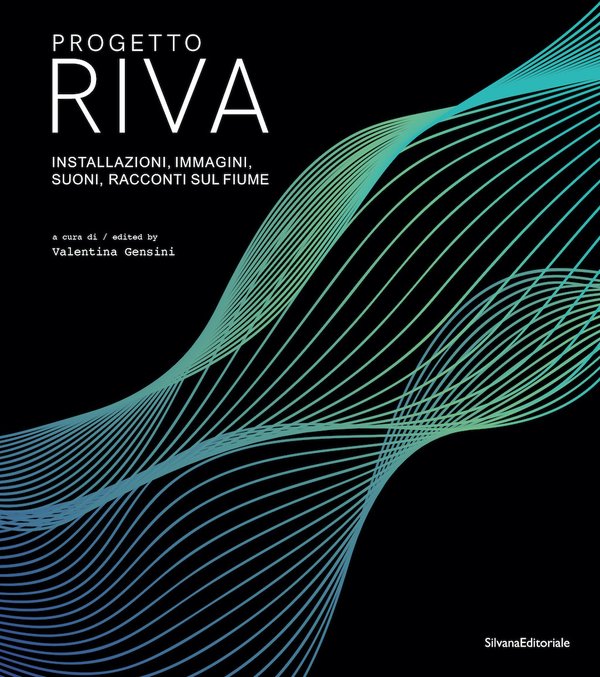
In 1966 Florence went through the dreadful experience of the flood, which caused over one hundred casualties, besides damaging or destroying thousands of masterpieces of art and rare books. The joint effort of Italian and foreign volunteers made it possible for many of these works to be restored, but after this tragedy, the city forgot the banks of the Arno, casting an aloof gaze over them with waning intimacy. The RIVA Project, with the direction of Valentina Gensini, was conceived with the ultimate goal of creating a fluvial park in the heart of the city, enjoying the participation of artists, curators, researchers, biologists, and architects from all over Italy and farther afield. In the last few years, with an eye on rediscovering the environmental and cultural heritage associated with the river, the RIVA Project has produced art installations and exhibitions in collaboration with photographers, artists, and composers who have created innovative visual and sound portraits of the river and its recollections, besides fostering new visions of the river and its banks, workshops, round tables, artist residencies. The catalogue offers an overview on the most interesting interventions produced during the last five years, since the 50th anniversary of the flood.