
TERRA DINTORNO
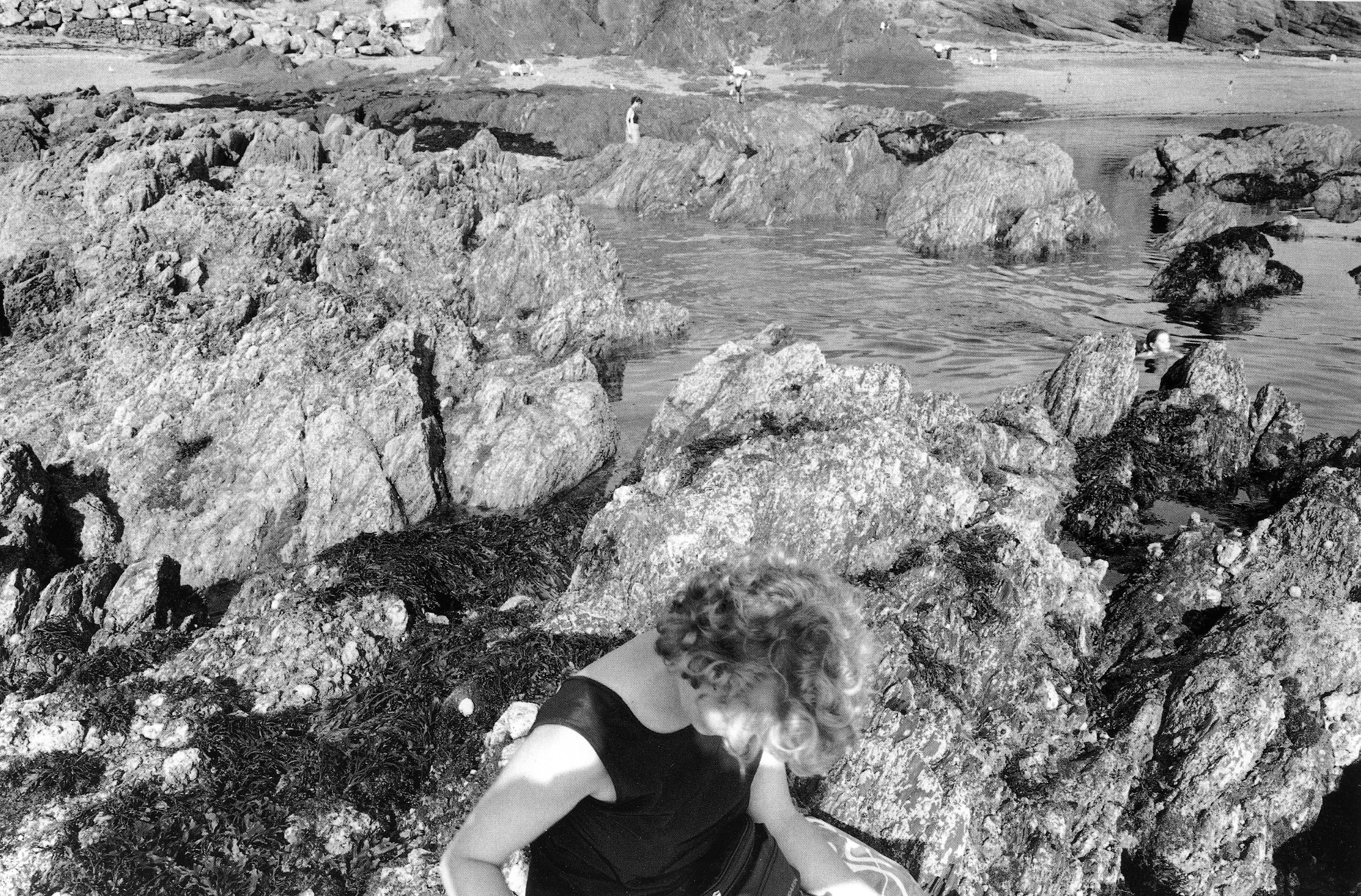
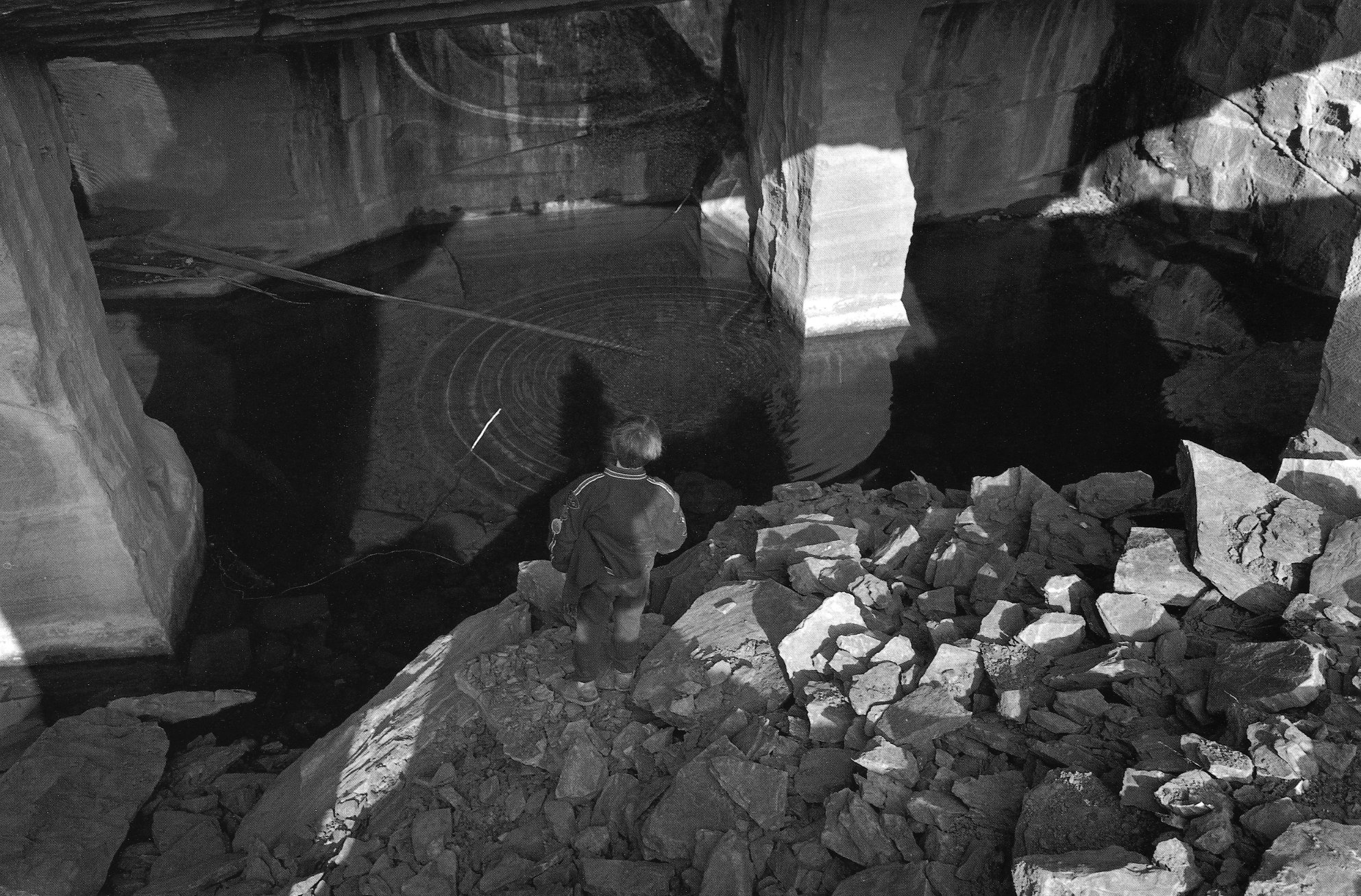
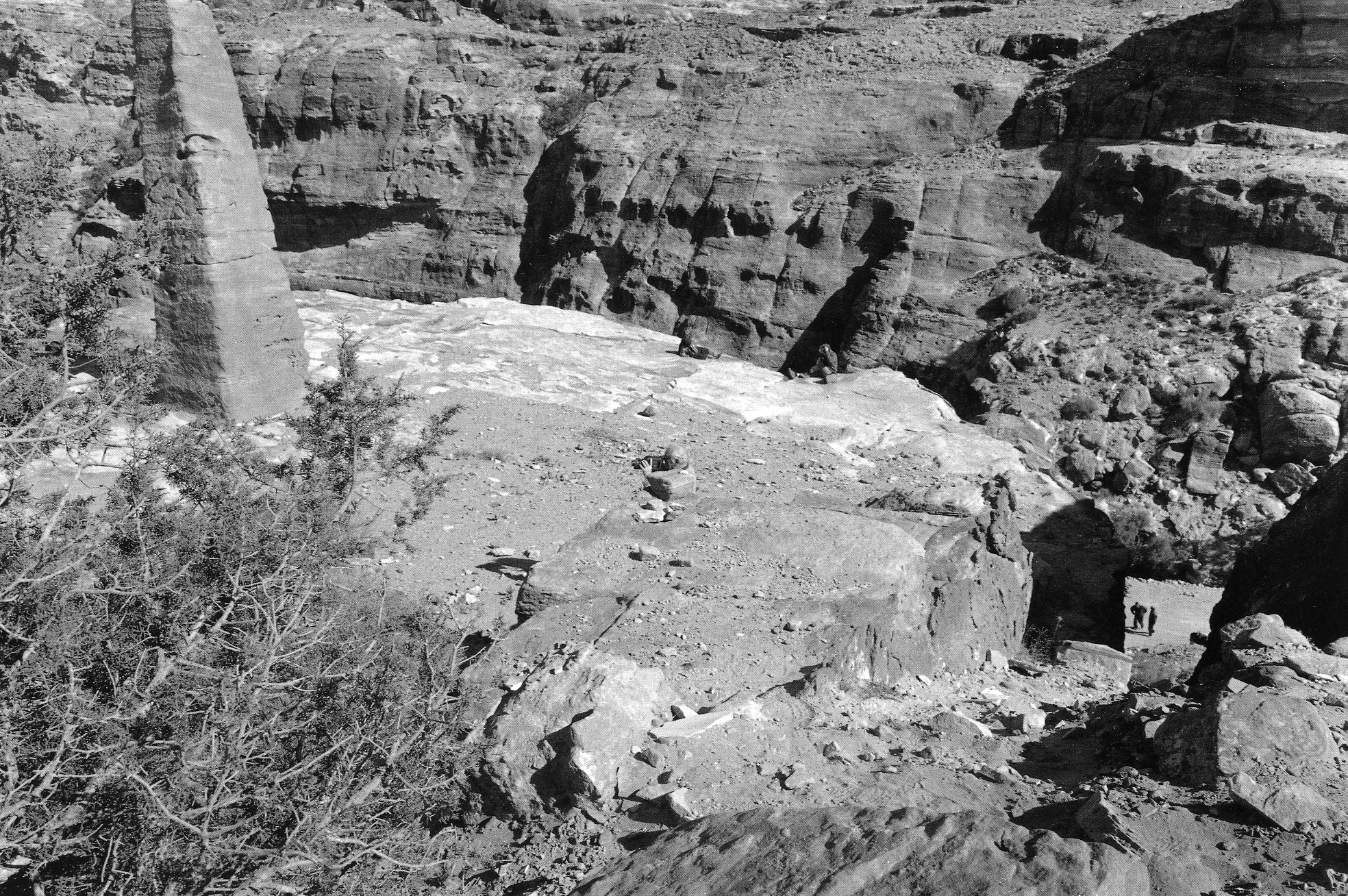
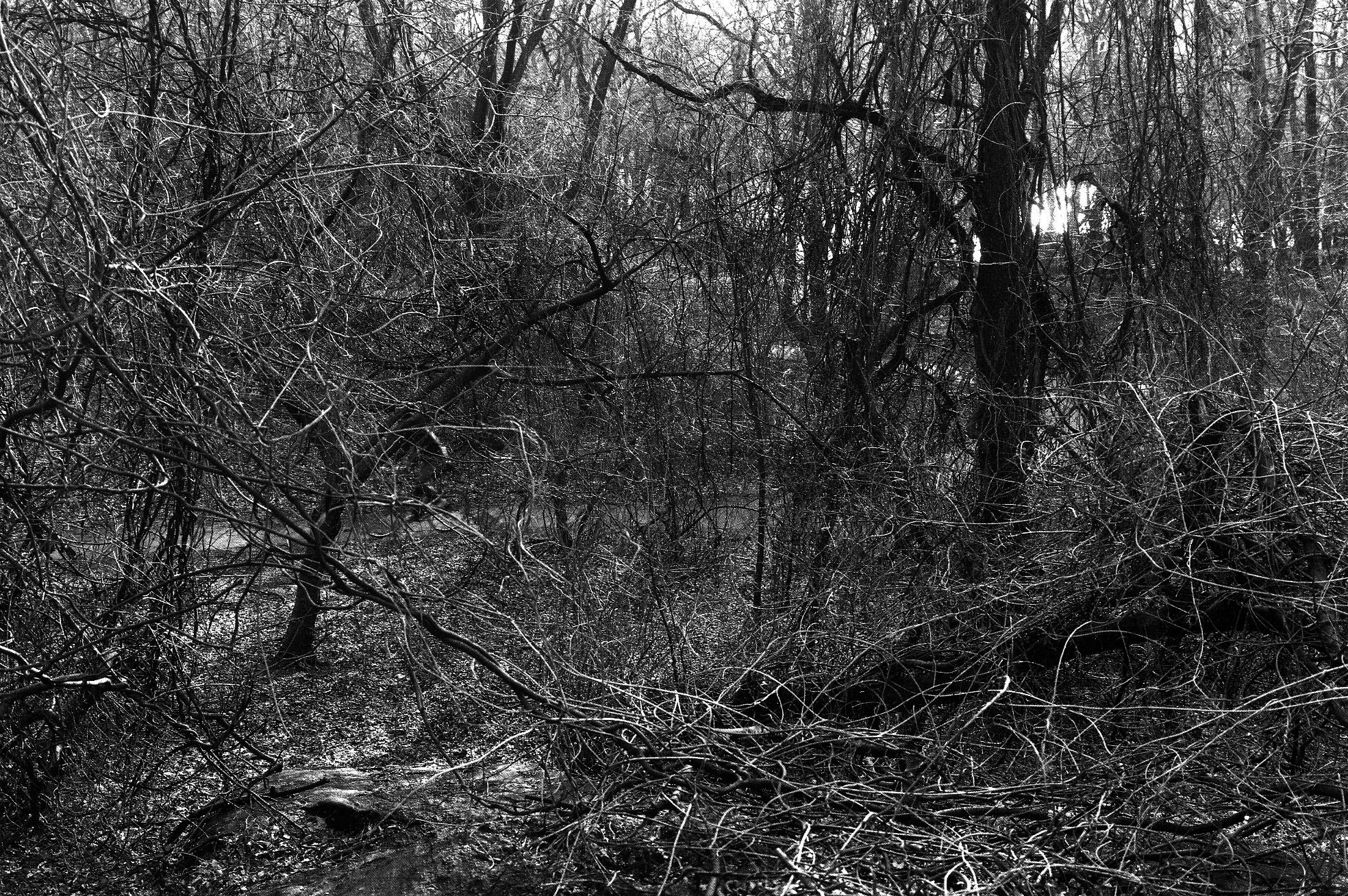
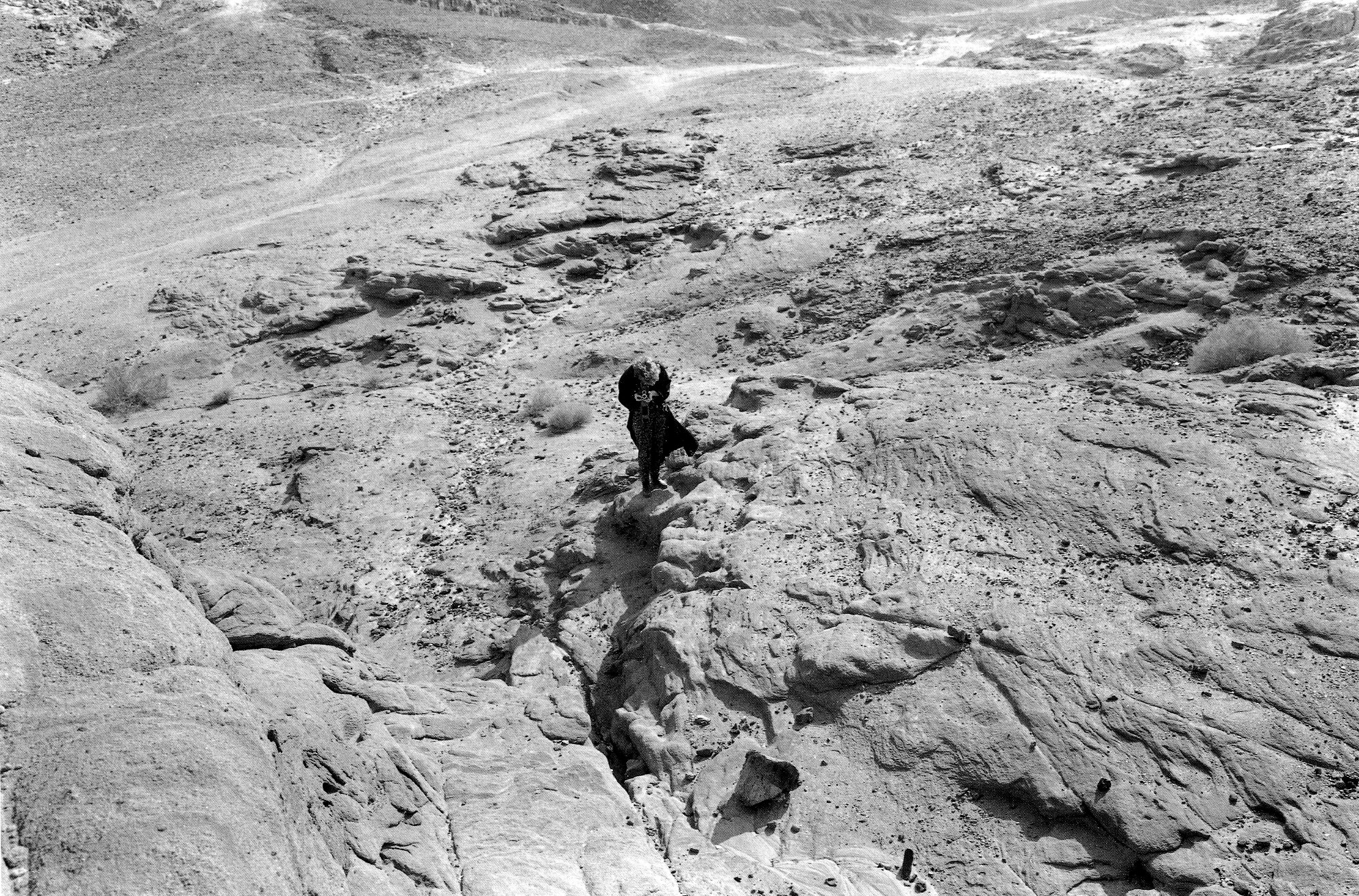
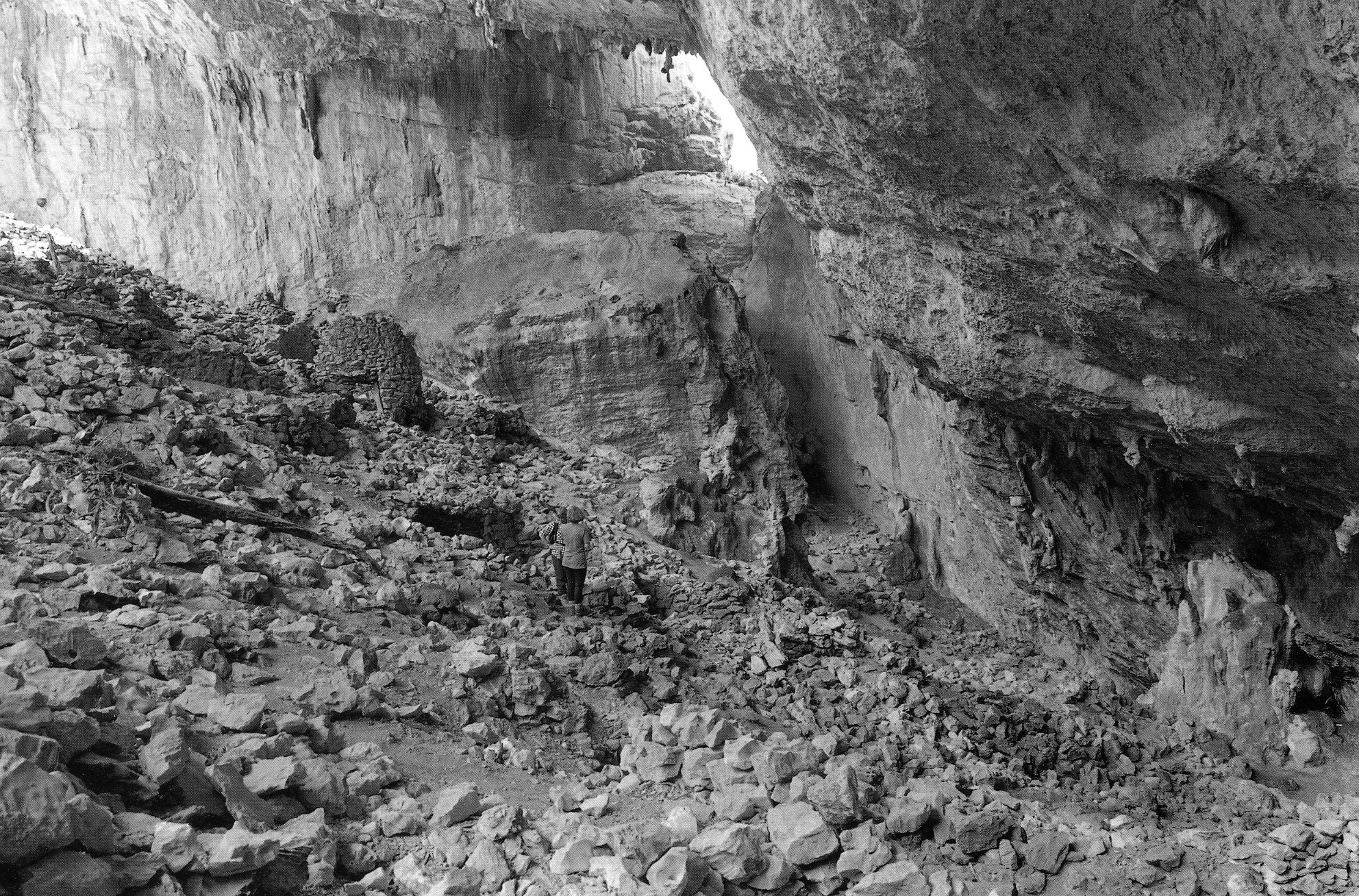
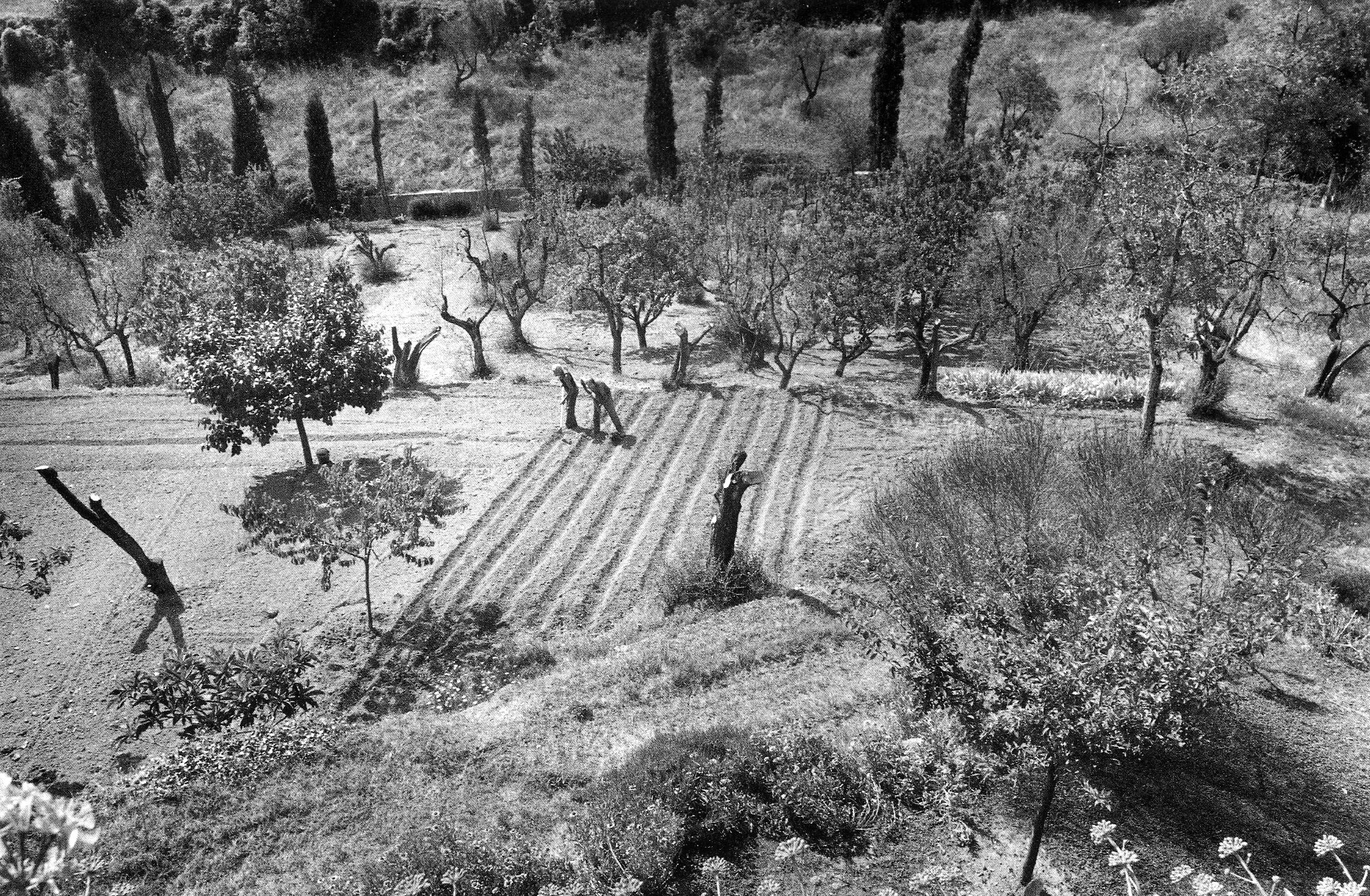
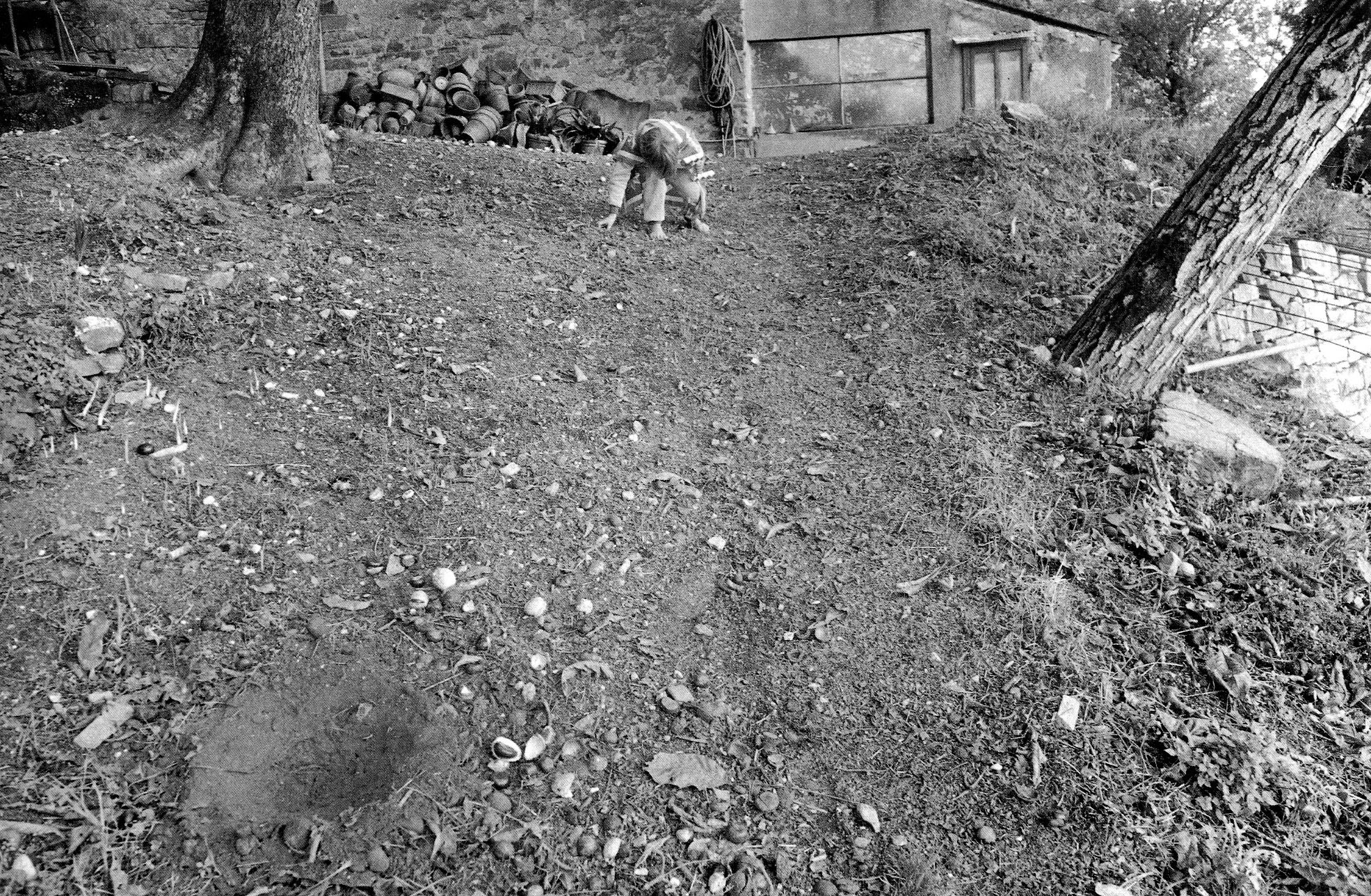
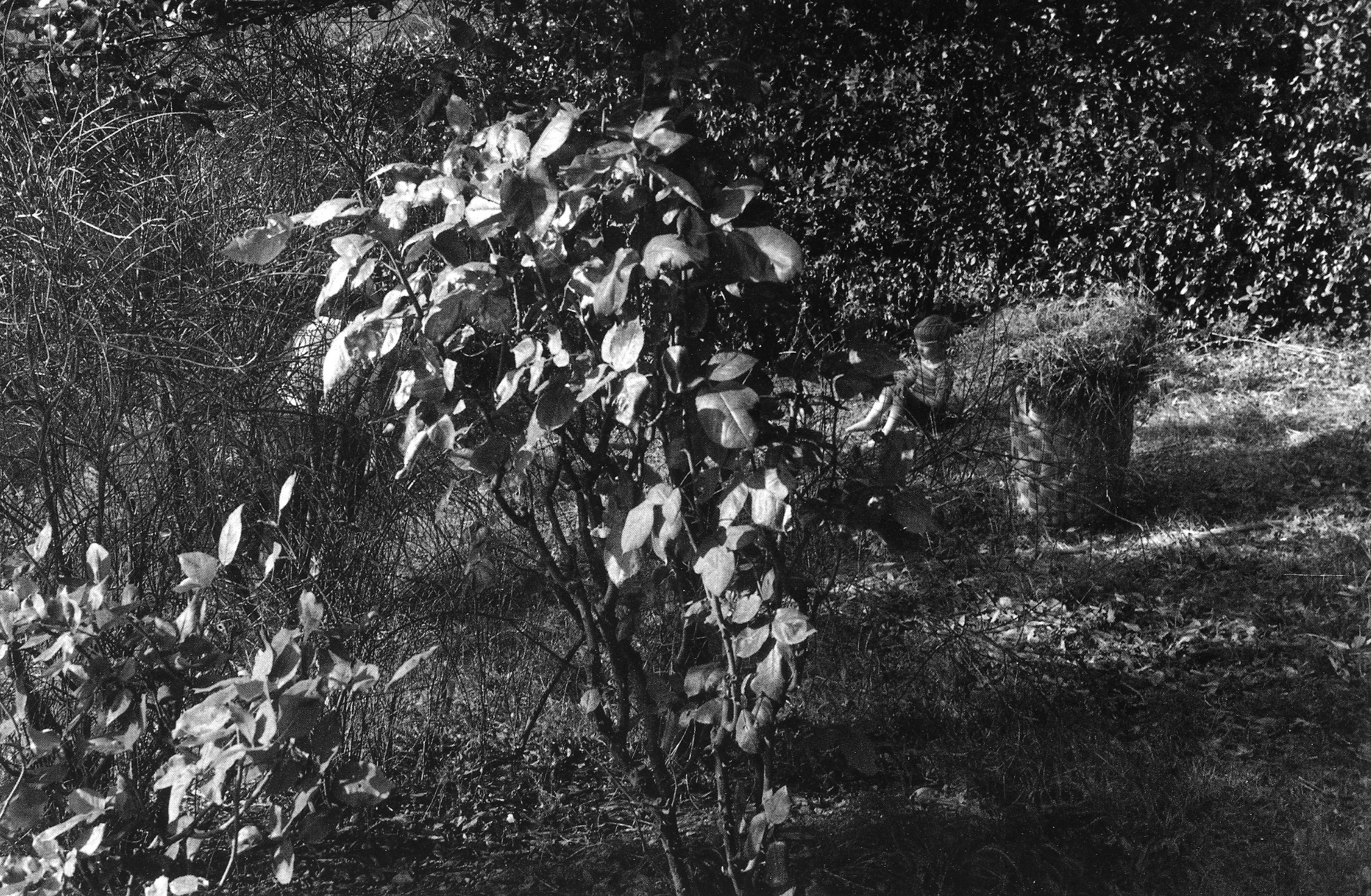
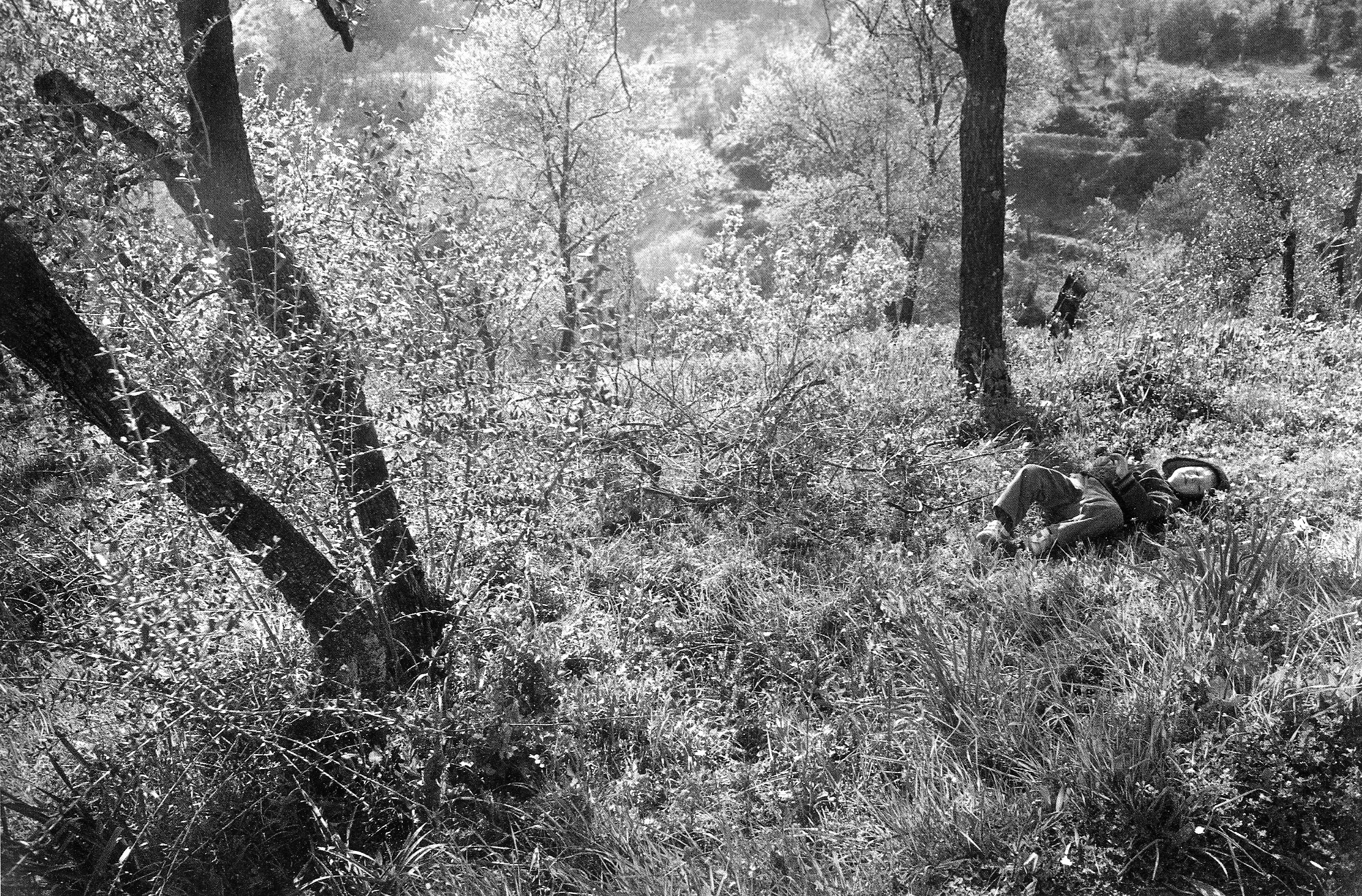
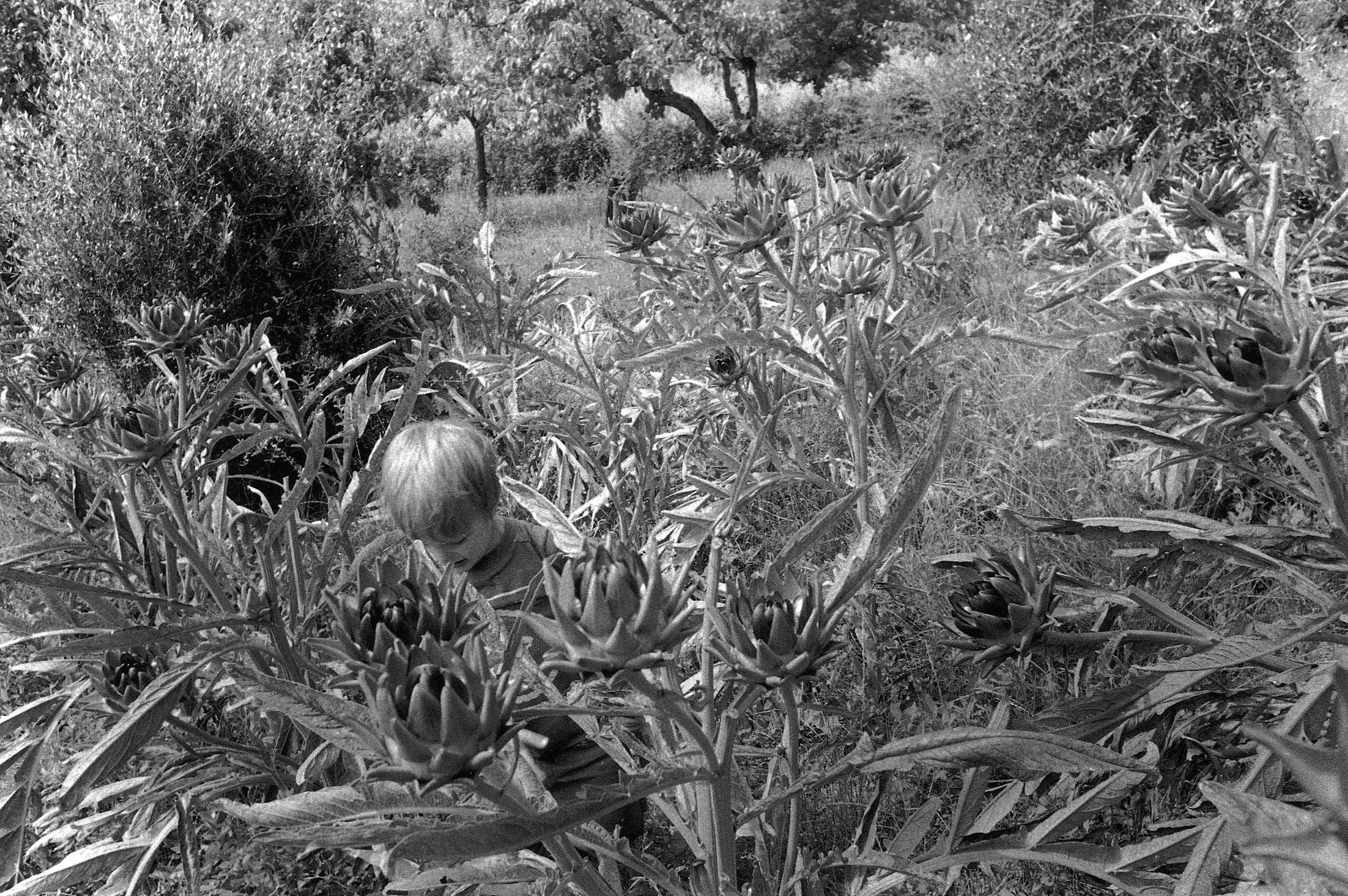
This delicate collection of Martino Marangoni’s photography has chosen works from his many photographs of the past ten years. Bleak landscapes, fragments of woods, parks, rocky areas, the countryside and the world of plants play host, here and there, to lost and vagrant human figures. In other cases the landscape speaks for itself: Marangoni is alone among modern Italian photographers in preferring natural landscapes over man-made ones. He is also one of the few to place the human figure in a central role. One after another, these photographs tell a light, wistful tale, threading a singular and silent course – without a particular goal in sight – along the surface of the earth.
Photography and Paternal Values
Gustavo Pietropolli Charmet
The modest contribution that psychoanalysis has made towards the understanding of the aesthetic emotion, and towards deciphering what occurs in the space where a work of art meets its intended audience, has tended to bear out the conventional theory that there are profound links between the artist and the child within.
In the case of photography, the theory would have us believe that it is the eye of the inner child – the creative, naive, amazed and truthful gaze of childhood – that guides the various operations that combine to create a photograph. Freed from the distortions and inhibitions that characterize the state of adulthood, the artist would thus be guided by the fully participating and deep-feeling early self, supporting this primal intuition with technical skills gained over the course of many years training.
I do believe there is some truth in this somewhat simplistic way of analyzing creative processes, though psychoanalytical research has been clumsily predictable in obstinately tracing adult artistic skills back to unresolved childhood conflicts.
Recent years have also seen the partial acceptance of the theory that the gender of the artist plays another important role in the handling of creative processes and that this male/female “difference” may be seen in photography.
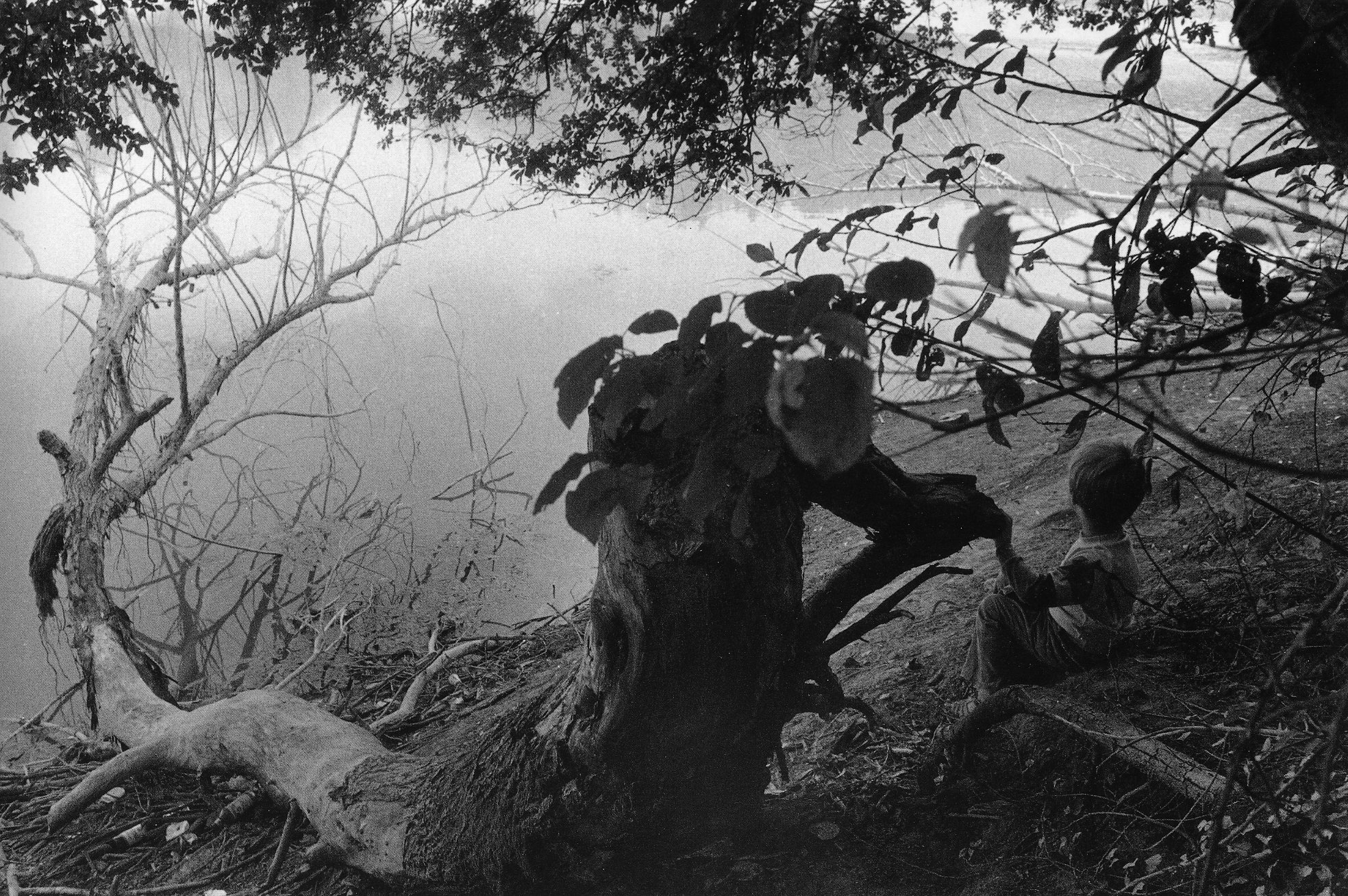
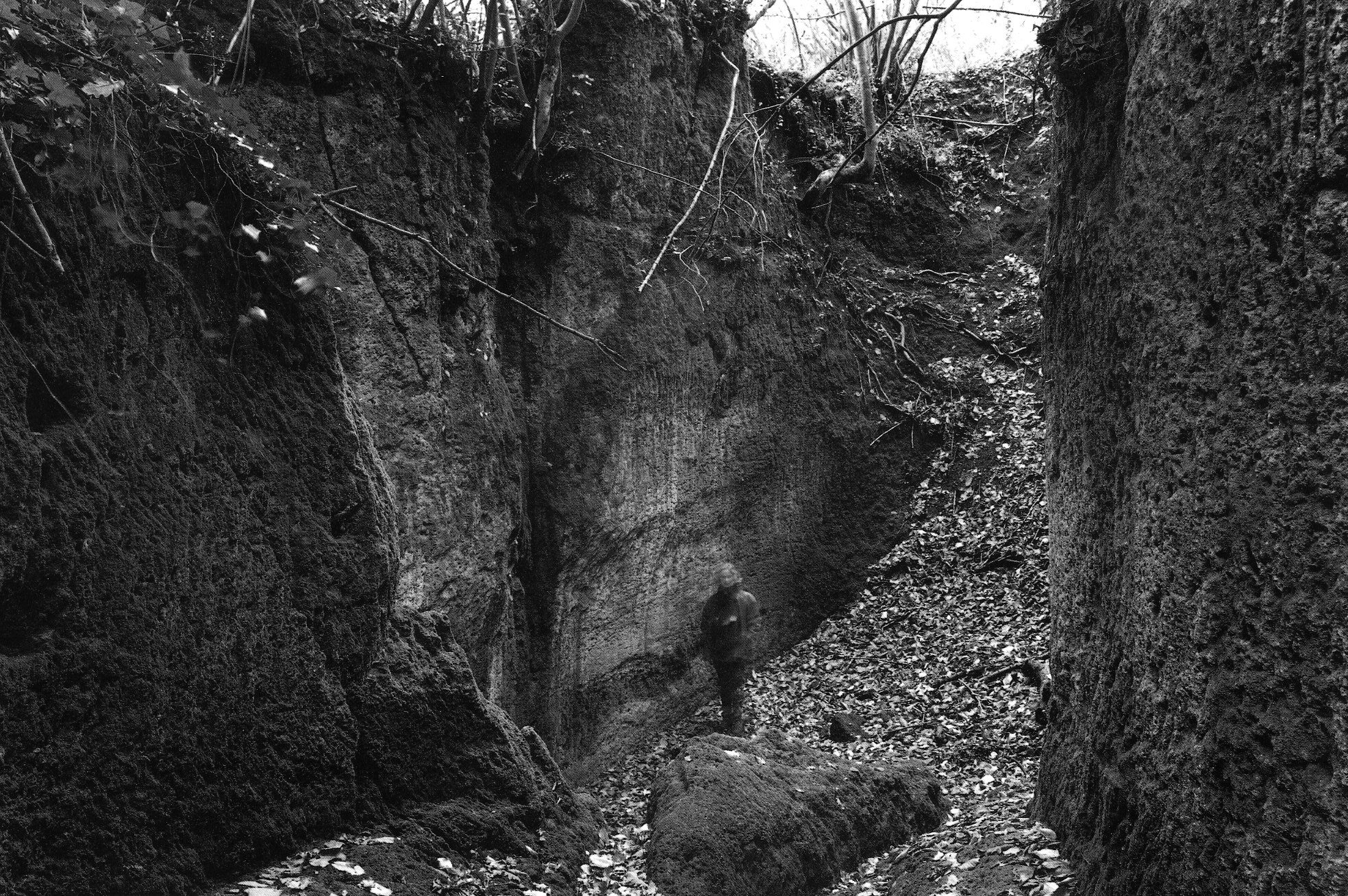
The work of Martino Marangoni allows the whole debate on who or what is guiding artistic expression to be broad-ened to include quite another type of hypothesis. The modes of expression he uses, the contents to which they refer, the narrative style, the atmosphere into which the viewer is placed, do not seem to reflect a child-like or particularly masculine mind-set. His visions of intricate gardens, earthly cavities or natural landscapes from which emerges, almost like a dot, the figure of a child, reveal quite a different standpoint.
If we continue to ask to whom belongs this unique manner of seeking the child immersed in nature, of looking after the child from a distance, without disturbing his or her exploration or growth, I believe it plausible to suggest that behind the lens of the camera lies the feeling and viewpoint of a father. Not that of a natural father or of an even more elusive symbolic father figure, this is rather a viewpoint that examines how paternal values interpret the world and the child’s relationship to nature, that is, to the mother. Representing ‘logos’ and the obligation towards separation and growth, the fatherly eye observes the child, empathizing and identifying with him as he seeks refuge within the tangle of nature, and watching attentively as he finds his way out of the labyrinth, out of the sacred and solemn caves of the earth, without prescribing the best solution, but rather supporting the child’s own discovery of the one path that seems truer than the rest.
The child-self, in Marangonis photographs, is not behind the camera but in front of it. The guiding hand behind the lens is an element of the paternal nature that never loses sight of the child and observes the child’s explorations and social awakening. Meanwhile, through the experience of the child, the father relives his own infancy.
Psychoanalytic theory has never attributed specific capacities to the father figure in terms of the handling of the creative process. If at all, psychoanalysis has looked to maternal values in order to indicate the deep commitment to sheltering and protecting the creative process.
The photographs presented by Martino Marangoni in this book, along with their thousands of other more important suggestions, offer the psychoanalyst the possibility to investigate what role the father figure plays in creating images that are destined to evoke the aesthetic emotion.
Just as the use of childhood or maternal metaphors seems to me justified in analyzing other artistic works in order to explain the emotion experienced, in the case of Marangoni’s work it is the watchful eye of the father that guides the relationship between the child and nature, establishing its own sense of order. It is the “father” who takes the photographs. Though there is collaboration with the mother and child, it is he who decides at which moment to make the break, to sever the image from its context, to give birth to a new photograph rich with meaning.