
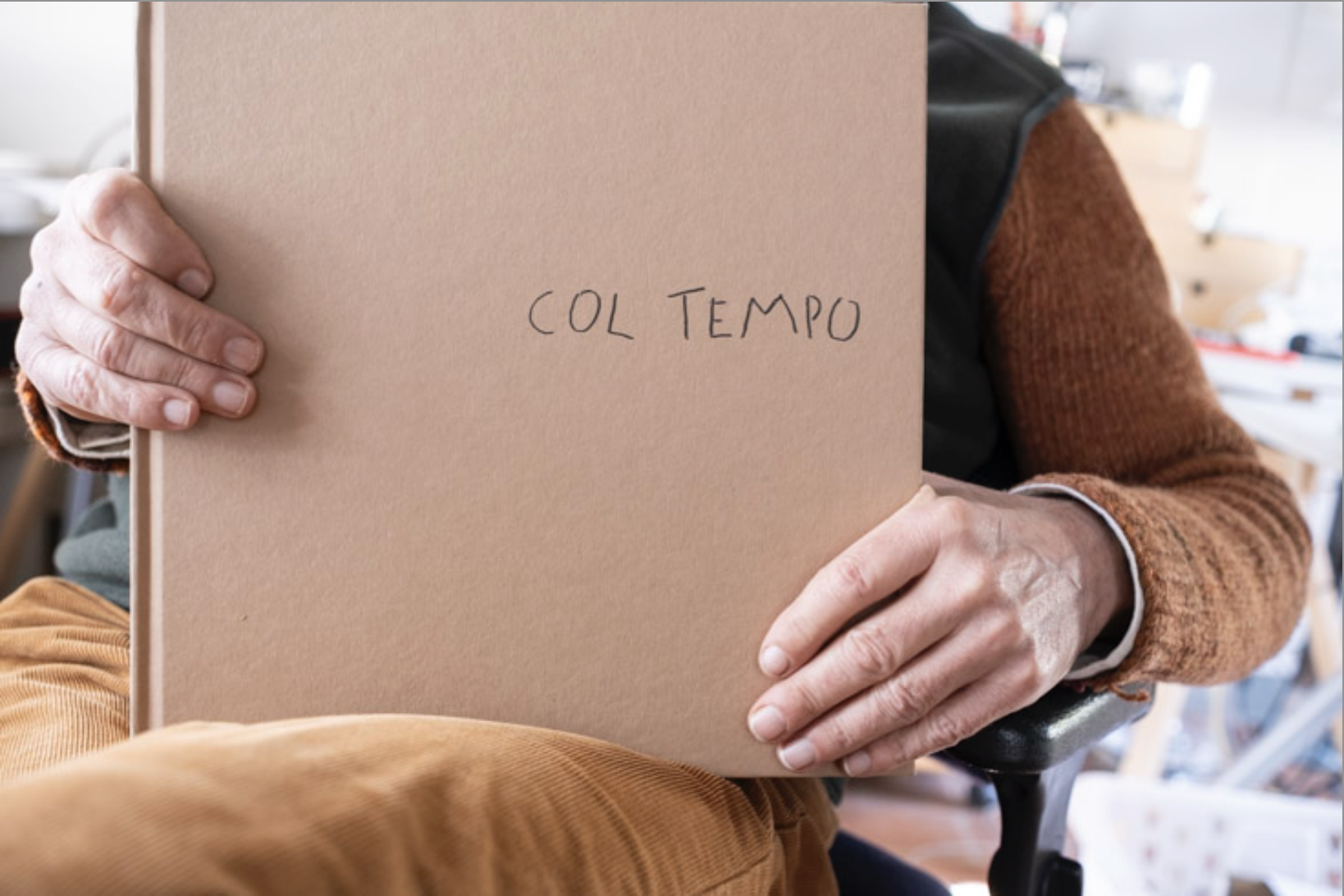
From My Bookshelf: Guido Guidi "Col Tempo, 1956-2024"
I decided to pull this beautiful volume off my shelf today in homage to a great artist and friend, Guido Guidi. From February 20th through May 24th 2026 his work will be on view at Le Bal in Paris.
The book I’m holding, 'Col tempo, 1956–2024' (Mack Edizioni), serves as the definitive catalogue for the major retrospective hosted by Rome’s MAXXI Museum in 2024/2025—an exhibition I had the sincere pleasure of experiencing firsthand. For those in Paris, this is a rare opportunity to see that same incredible body of work brought to a new stage
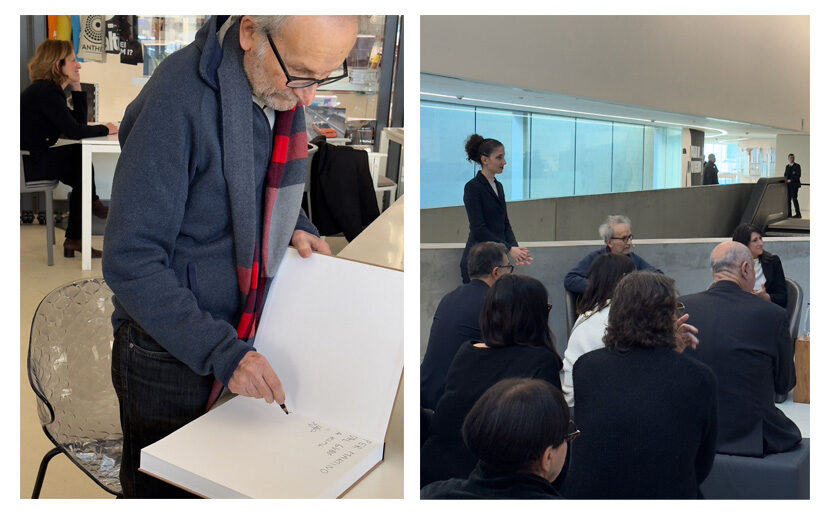
My connection to Guido Guidi began in the early 90s, a time when he was still somewhat "semi-obscure." While respected in a tight-knit circle, he lacked the self-promotional drive of his peers. He is shy, soft-spoken and has a very selective social circle. Photography scholar Paolo Costantini was instrumental in ushering his work to a more international audience during his time as a collections curator for the CCA - Canadian Centre for Architecture (where some of my work is held as well) and American photographer John Gossage brought his work to the US.
We first crossed paths in Venice during Venezia 79 La Fotografia and then at Les Rencontres d'Arles - when the latter used to be a place for photographers to actually meet. Today, it feels like a game of "hide and seek"—if you don't have a pre-arranged appointment, you're invisible. I would also bump into Guido quite frequently in Milan where I would go to events with my friends Kitti Bolognesi, Roberta Valtorta, Gabriele Basilico and Giovanna Calvenzi.
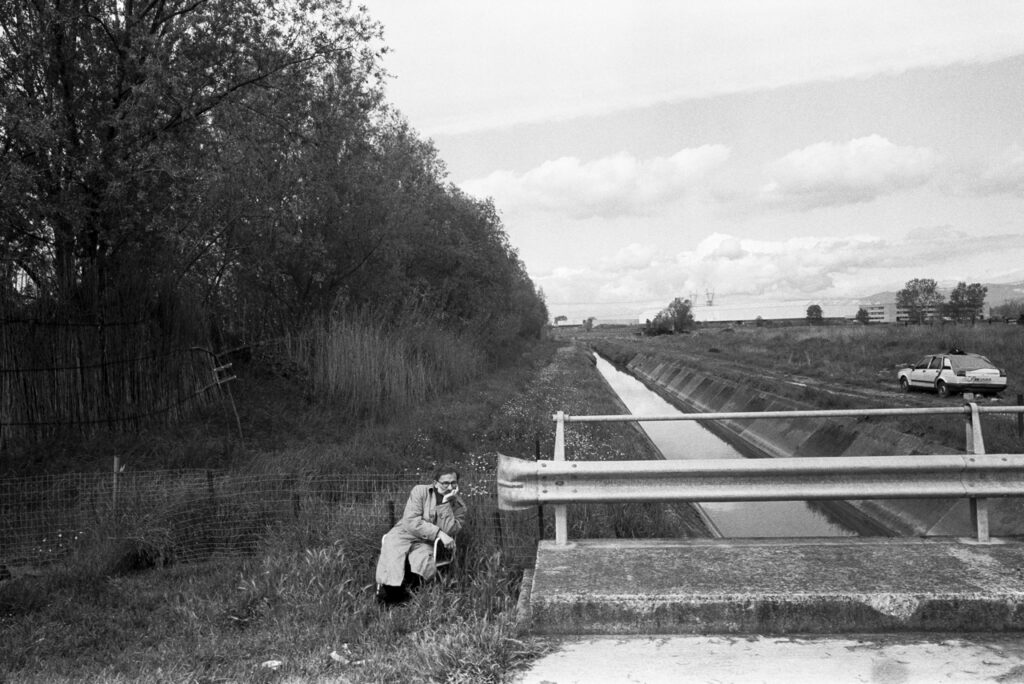
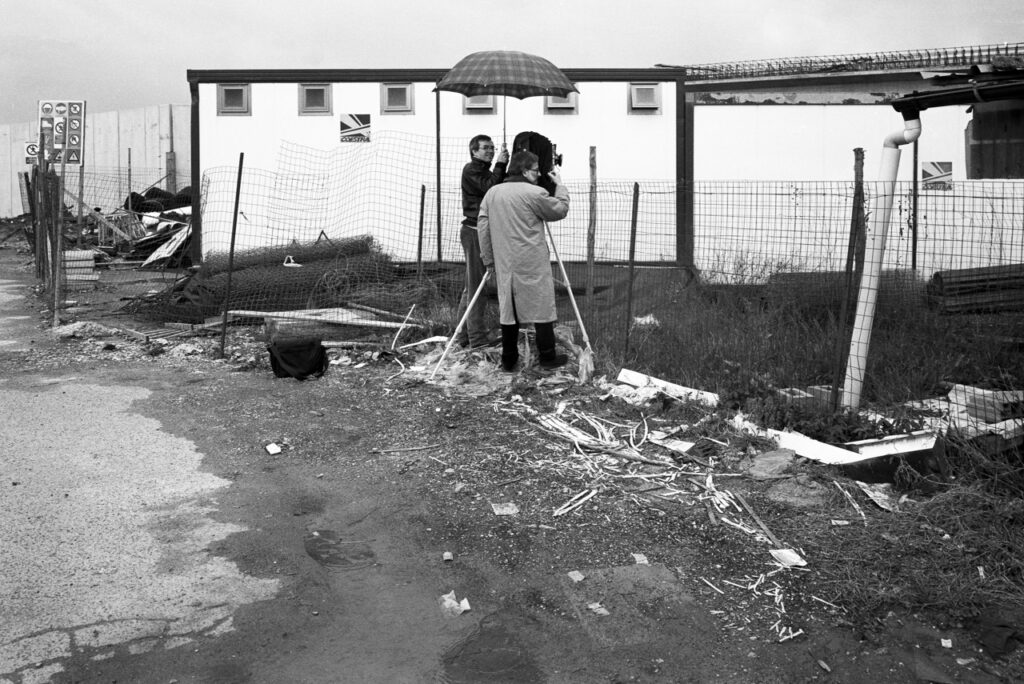
I remember the workshop we hosted with him in 1994, exploring the Florentine suburban area of Osmannoro with our view cameras under the rain. Among the students were Marco Signorini, Simone Bacci, and Marzia Migliora. Guido was a tough mentor. He was very focused but in a way that did not allow much flexibility, which sometimes made it hard for the students whose work didn't align with his vision.
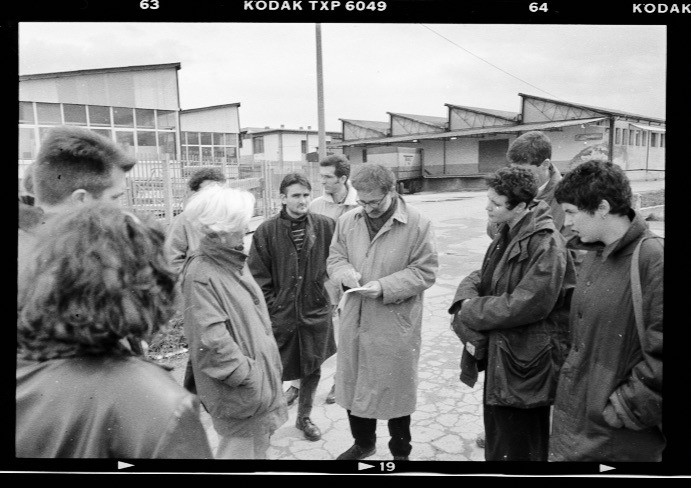
What set Guido apart from the Viaggio in Italia group (like Luigi Ghirri or Gabriele Basilico) was his professional standing. Unlike others who relied on commissioned and commercial assignments to fund their personal work, Guido was a professor at the Accademia di Ravenna and IUAV in Venice, where he also studied as a young man. Trained as an architect, curiously he doesn't photograph buildings as they are; he photographs the empty spaces between them. He functions like a street photographer, choreographing elements in space… but without people. I have always found his images quite conceptual. His lectures were steeped in Renaissance culture. He frequently referenced Piero della Francesca to explain perspective and developed his own complex theories on "the gaze”.
Looking back at his career through the recent MAXXI book, I was surprised by his early, experimental work. His beginnings were intimate—mostly interiors and private moments.
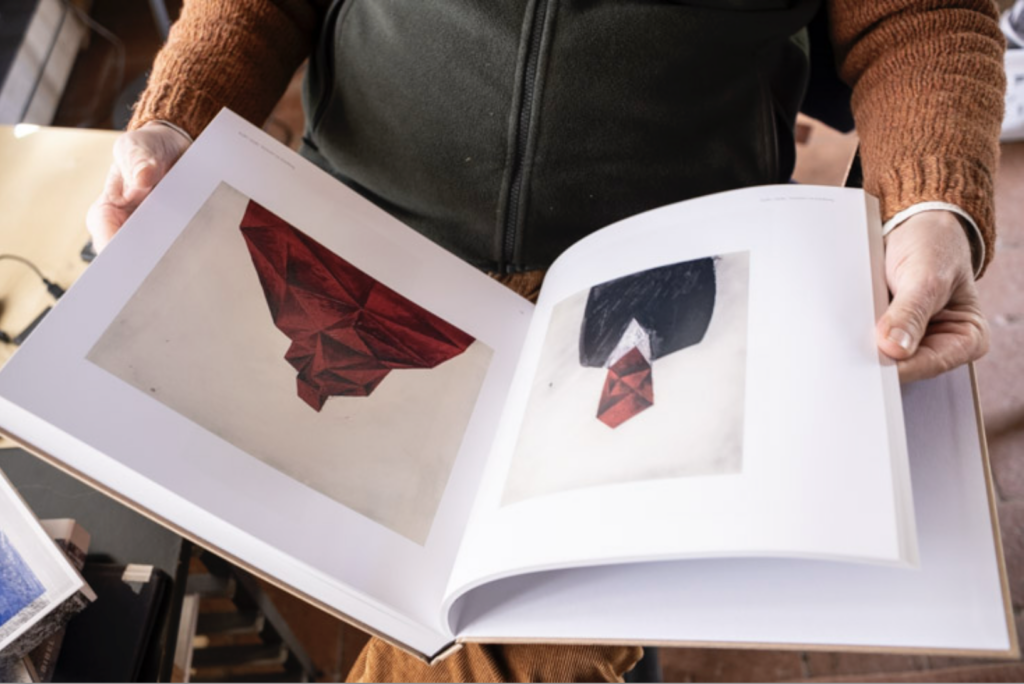
The New Topographics movement probably steered him toward his signature style of peripheral landscapes. In his work, people are abstract—shadows or silhouettes. When he does include them, they are usually collaborators or people he knows personally. He rarely stops" strangers in the street.
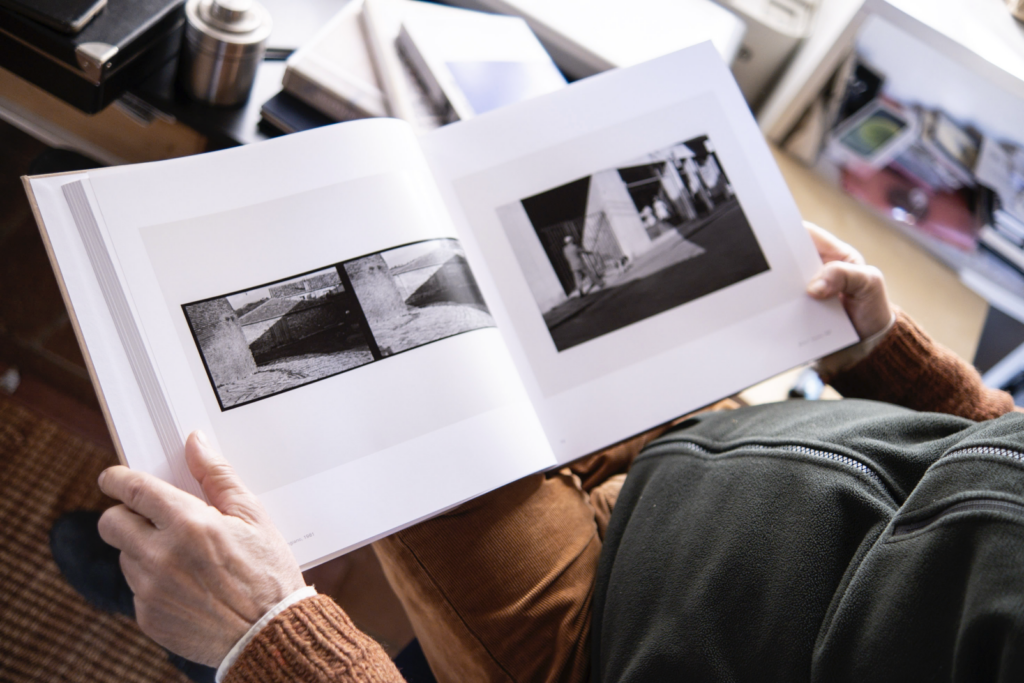
In hindsight, Guido’s influence on my own work regarding peripheral spaces is significant (for example, No Man's Land and my work for the MAXXI museum in Rome). We share a "perversion" for abandoned, rundown spaces. There is something stimulating about finding aesthetic interest in neglect.
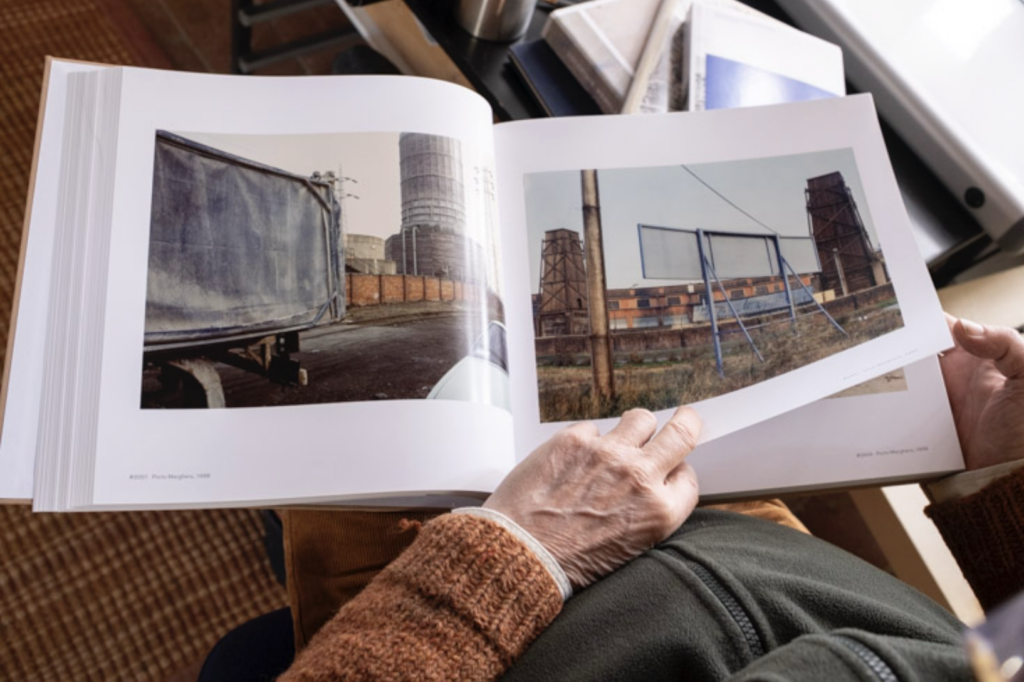
I too have always been drawn to construction sites—the cranes, the machinery, the tools. It’s a constant source of discovery where something new appears every day. Guido incorporated this perfectly: capturing landscapes in a state of extinction or construction. Even now, when I shoot abstract, unstaged scenes in the suburbs with my digital camera, I recognize moments where I am essentially taking Guido Guidi pictures.
Guido remains, as Martin Parr suggested during one of our conversations, perhaps the most important Italian photographer of his era.

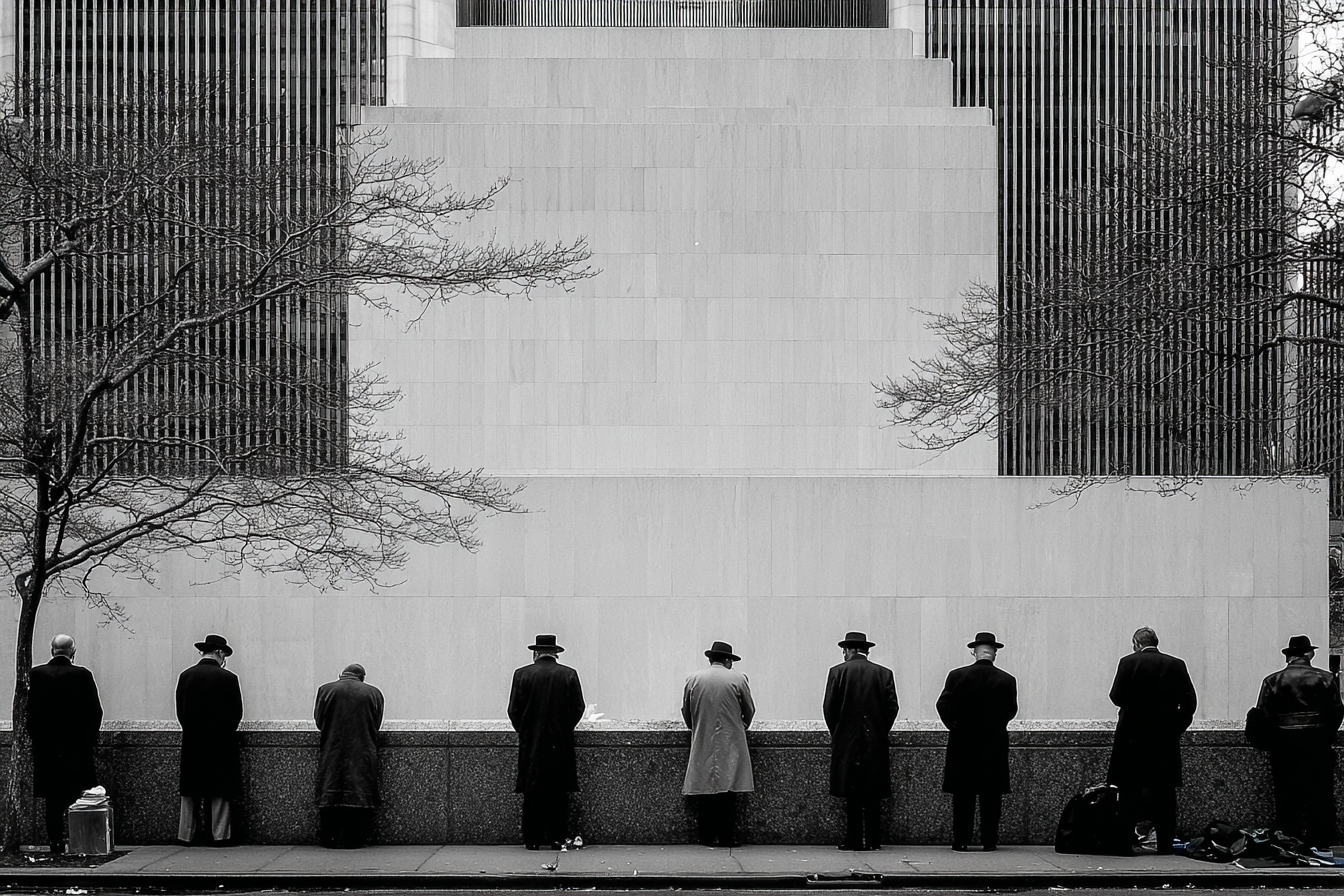
Me vs AI: a video interview
In an era where visual languages are in a state of constant flux, we must look critically at the emerging tools shaping our world. Mastery of these technologies requires more than just technical proficiency; it demands a deep evaluation of their cultural, creative, and ethical implications.
On February 3rd at 6.30pm I will be at La Bottega di Infoto - Via Leonardo Bruni 4, Firenze - for the screening of "Martino Marangoni: Unplugged", a short film by former Fondazione Studio Marangoni student Andrea Storni.
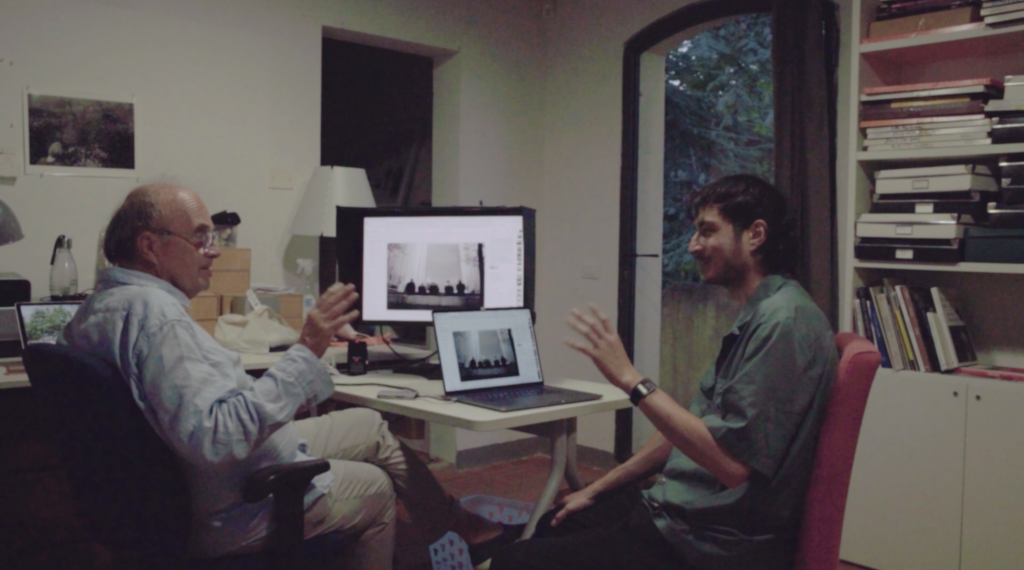
In this video interview, I sat down with Andrea for a cross-generational dialogue exploring the implications of AI-generated imagery.
Andrea Storni is a Berlin-based photographer and video maker. In his works, he pays particular attention to social and political themes, while also addressing personal subjects regarding the family.
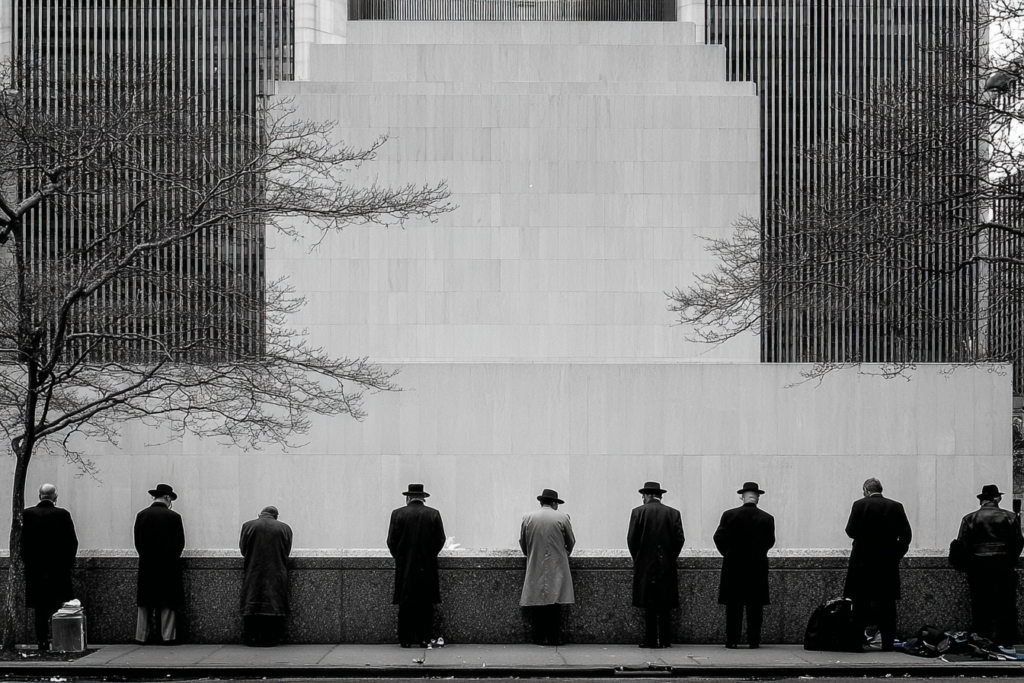
The event will be hosted within the framework of "Nuovi Codici", a collective exhibition curated by Gabriele Fossi and Pietro Fazzini.