
In the mid-90s, I received a call from Gabriele Basilico. He asked if he could give my number to Martin Parr, who was coming to Florence for a project and didn’t know anyone. At that stage of his career, Martin was primarily known in the UK and had not yet joined Magnum Photos. Though he had already published several books, his global fame was still on the horizon.
I invited him to stay at my home, and we became immediate friends. Coincidentally, my partner Claire is British, so I was traveling to England frequently. Martin was like quicksilver; you were lucky to catch an hour of his time. While we were not “intimate” friends in the traditional sense, he was incredibly generous and thoughtful. We would have lunch whenever I was in London; he was always eager to organize workshops or collaborations, and he possessed a remarkable memory for the details of my life and family.
In the following years, he introduced me to the British photography scene. I became close friends with Ken Grant, Val Williams, John Davies, and Mark Power. Martin was an extraordinary connector. Through him, I also met Brett Rogers who was then Deputy Director and Head of Exhibitions at the Visual Arts Department at the British Council. This opened new doors for the Fondazione Studio Marangoni. Not only did we host several workshops with Martin, but in 1999, we also hosted the Italian leg of his global exhibition “Common Sense”. This was a landmark project documenting the “lurid” and “kitsch” aspects of consumer culture through vivid color photography. The installation consisted of over 200 color photocopies shown simultaneously in 41 venues across 17 countries. We were part of a truly global event.
I have many fond memories of our time together. One of my favorite anecdotes took place in 1998, the “Italian Year” at the Rencontres d’Arles. Giovanna Calvenzi was the artistic director, and I was featured in an exhibition curated by Toni Thorimbert. A few months before the festival, my brother, Peter, announced he was getting married in London on the 6th of July—the exact dates of Arles. I couldn’t be there, nor could I act as his wedding photographer.
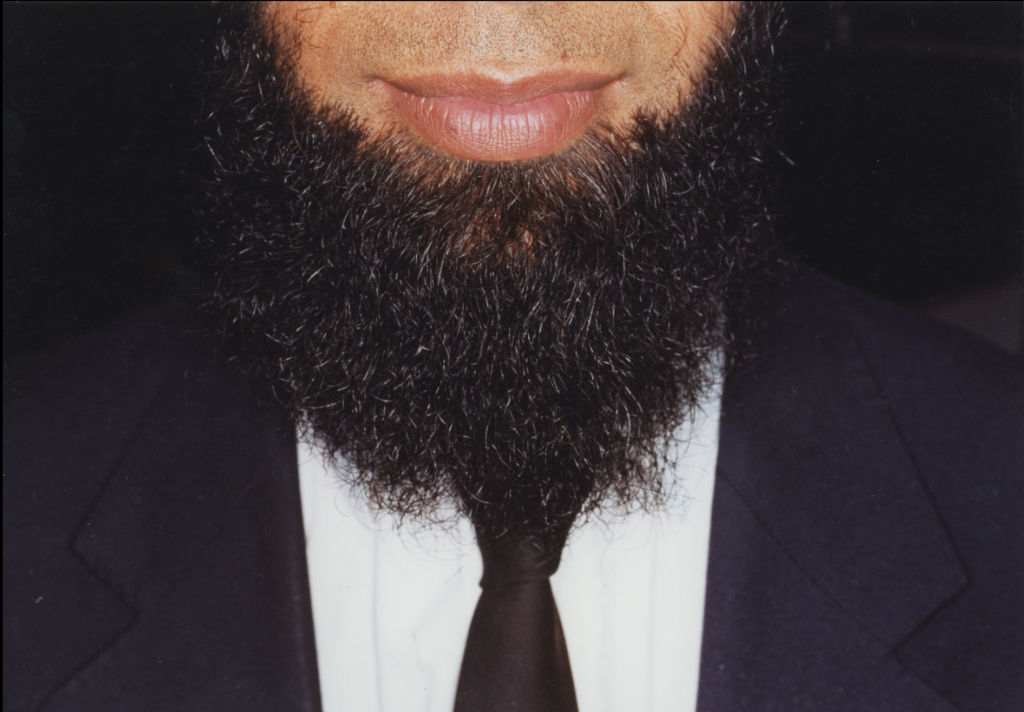
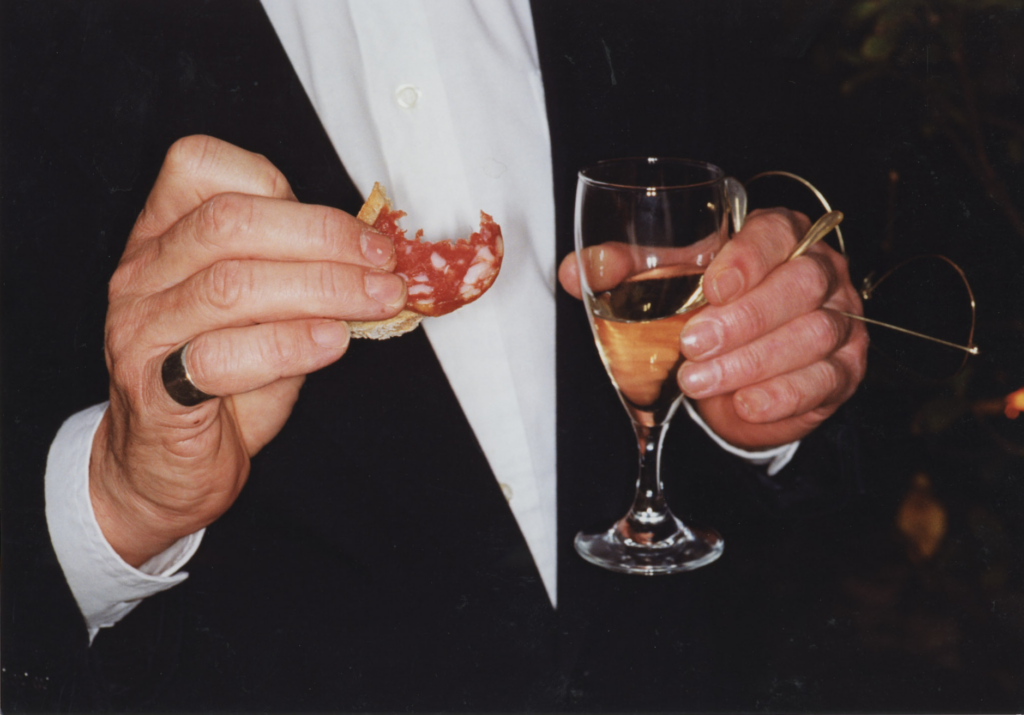
In a bind, I called Martin to ask if he could recommend one of his students for the job. “When is the wedding?” he asked. When I told him it coincided with Arles, he explained that he couldn’t go to France anyway because he was working in London. To my astonishment, he offered to shoot the wedding himself, enthusiastically accepting a modest student budget. The images he delivered were classic Parr: grotesque depictions of high society—no sugar-coated glamour, just heavily flashed close-ups, saturated colors, and extreme textures. The newlyweds were actually thrilled with the result!
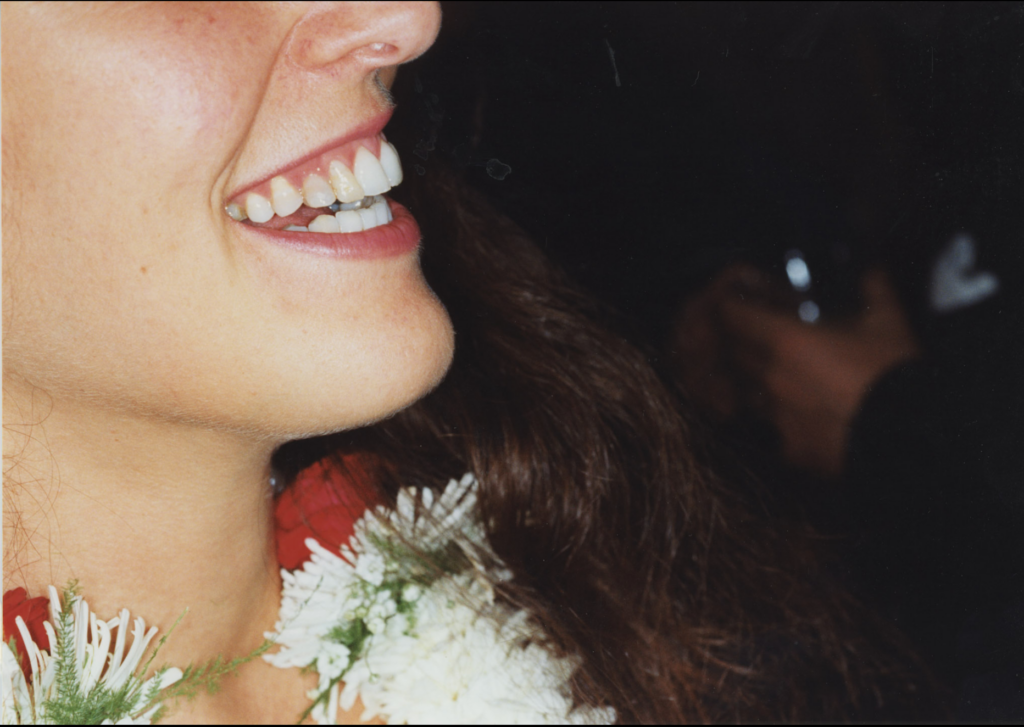
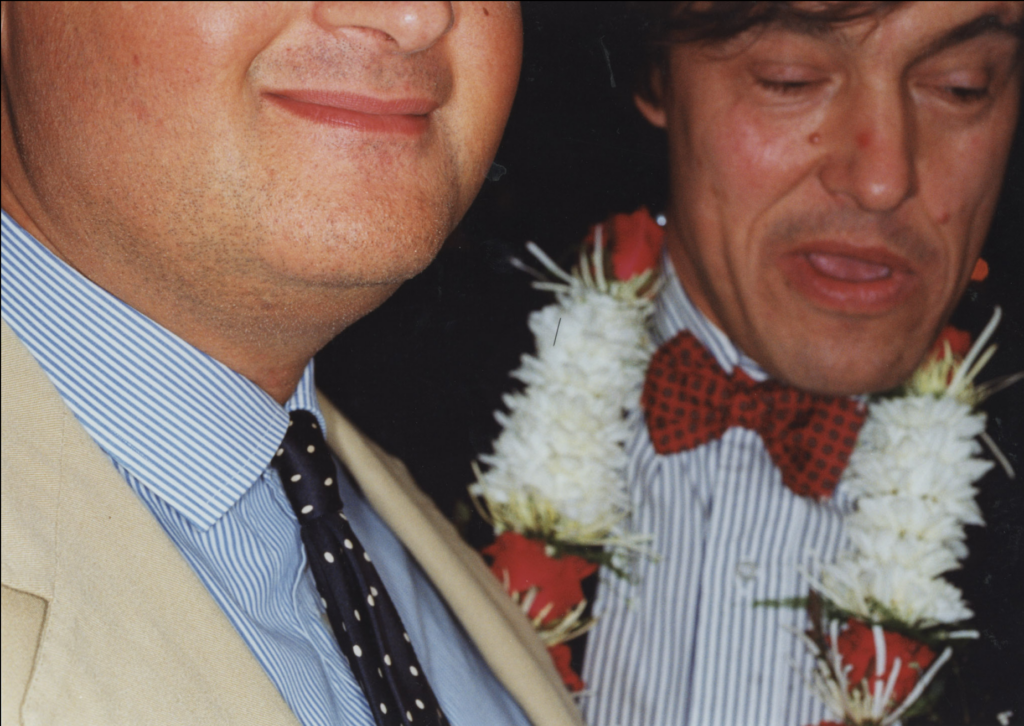
I also remember the first workshop we hosted at Fondazione Studio Marangoni in 1998. Martin challenged the students to gain access to people’s private lives. He wanted them to step outside their comfort zones to capture a glimpse of contemporary society. Among the participants was a young Paolo Woods, whose ability to overcome the psychological fear of that “first step” already set him apart. I reached out to him to collect his version of the events:
“At the time of the workshop I was a teacher at Fondazione Studio Marangoni, assisting students in the darkroom. This position gave me access to the school’s activities and even though Martin had not yet reached stardom Martino insisted that this was an opportunity not to be missed. I still remember that day, the students lined up with their portfolios, confident and unwavering in their know-it-all attitude… and Martin crushed them. He was not mean but he could be trenchant in his comments: ‘This is really bad’, ‘This is extremely lazy’. His comments broke the group’s back and made us want to prove ourselves. He then asked us to go out and photograph ‘what we are not supposed to photograph’. We had to embrace danger, dance with it… and there was a prize for the best project: an actual photo from Martin Parr’s series ‘Common Sense’. The most absurd things ensued – one student was arrested for taking photos of a police station, another asked the women in the posh area of Via Tornabuoni if she could photograph the inside of their purses, a mysterious dimension unknown to most scientists and men. Someone walked into a gym and took portraits of the bodybuilders while another documented invicta backpacks, on which at the time it was common to find slogans, dedications, drawings scribbled out in colorful ink. I had the idea of leafing through the Rigattiere, a local publication for bargain hunters where you could find the weirdest things for sale. I chose the strangest ad I could find: an elderly woman was selling her vintage wedding dress. Martin approved the idea but added a layer of complexity, saying that I had to manage to convince the woman to let me photograph her wearing the dress. I invented all kinds of excuses but in the end she squeezed into the garment, I took the photo and it earned the prize. His attitude would probably not be accepted in schools today, he was uncompromising and did not do you any favors… He was able to walk into a exhibition space, shorts, socks and sandals, the epitome of non-aesthetics, look around and say ‘this looks really bad’ with a smile on his face. But on the other hand, he saw beauty where others did not.”
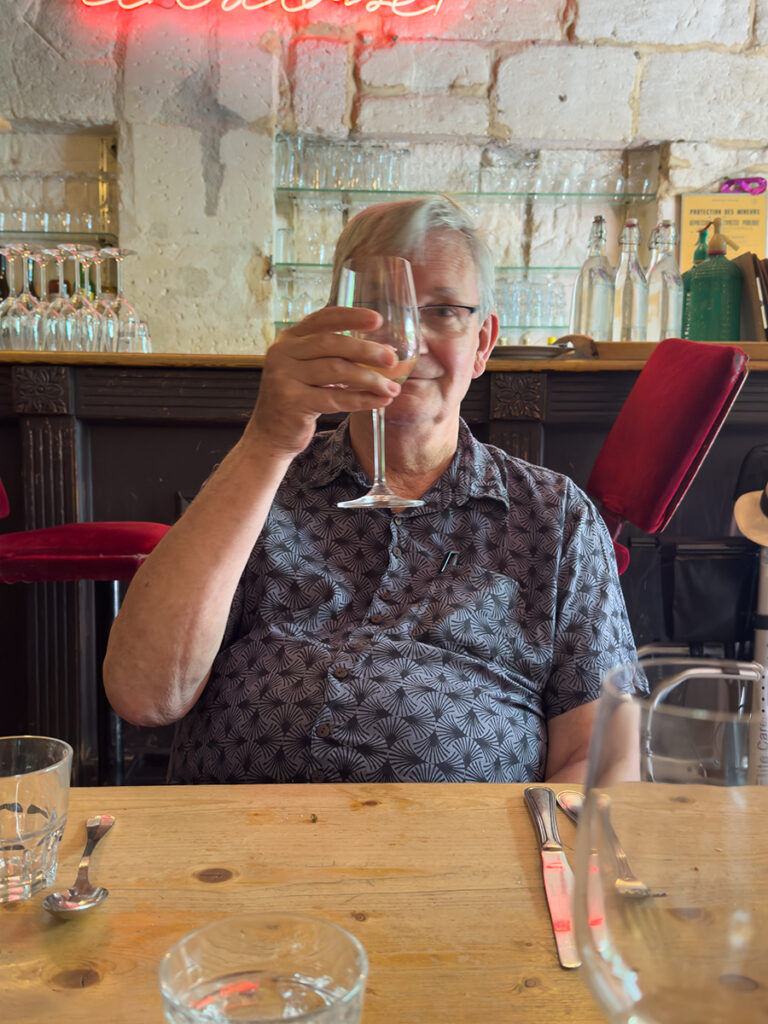
Martin remained unpretentious and down-to-earth despite his success. He was always available to chat or sign a book. He also had the foresight to ensure his legacy would endure; his Foundation exists today largely because of his obsession with photobooks. He was a legendary collector and a tireless promoter of the medium, as seen in his seminal series The Photobook: A History, co-authored with Gerry Badger.
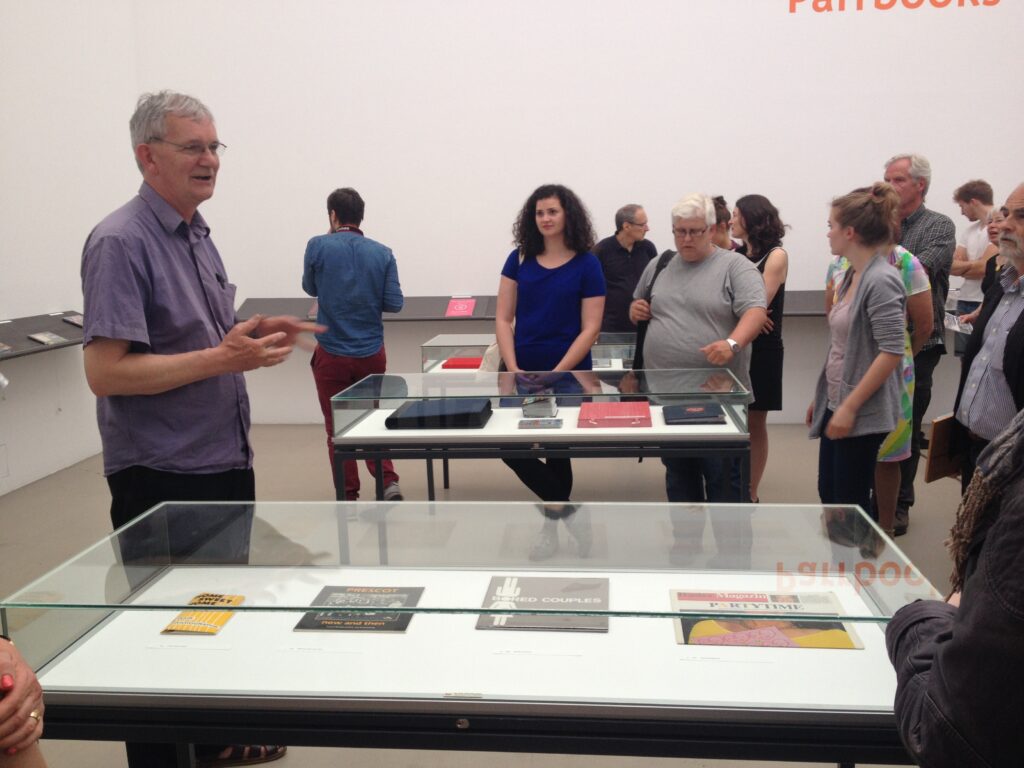
We kept in touch until the very end. He had a deep appreciation for Italian landscape photography and recently told me that his favorite Italian photographer was Guido Guidi. I feel privileged to have had this informal connection with him away from the spotlight. He has often been described as cruel or cynical because of his photographic style, but in person, he was anything but.
—
_ _ _