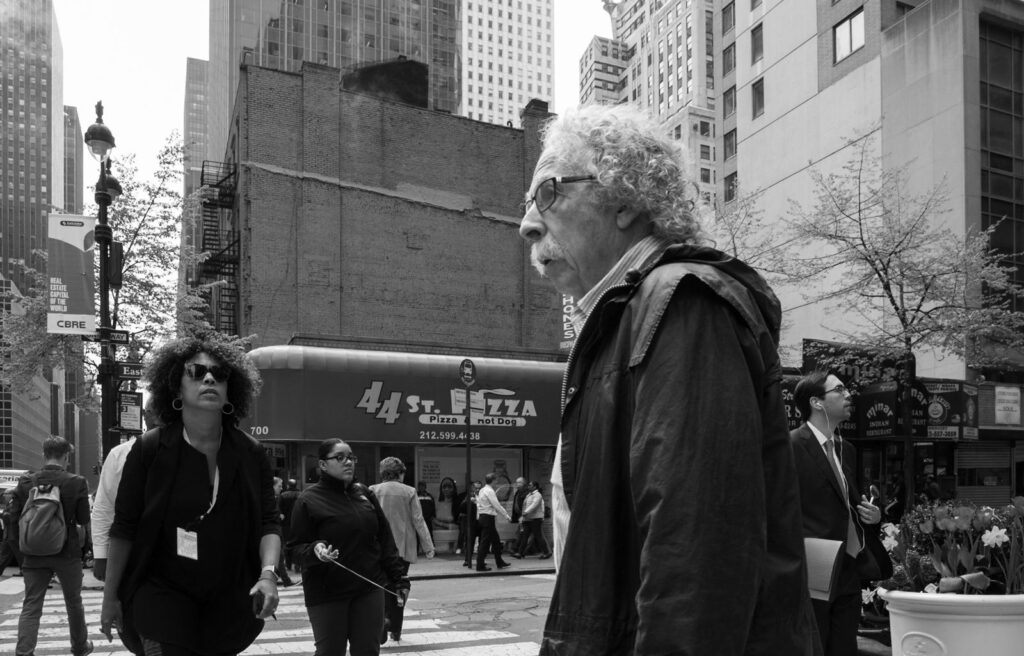
My education in photography began at Pratt in 1972. After a first semester with Charles Harbutt, I began studying with Philip Perkis. Phil was the antithesis of the typical “frontal” teacher; he wasn’t interested in lecturing from a podium. Instead, our relationship was a constant dialogue.
He was entirely non-academic. His writing reflected this—it was the opposite of academic jargon, often sparse and direct. In fact, his biography famously consisted of only four lines:
“I started photography in the Air Force in 1957 and haven’t stopped. Teaching became a serious part of my life in the 60s. I remain an unrepentant modernist.”
Phil’s teaching style was “unprepared.” There were no formal lectures; he would simply look at the work. He would bring slides, invite guests like Duane Michals or Joel Meyerowitz, and just talk. He would sit outside the darkroom while we printed, look at a test strip, and offer advice.
Both he and Paul Caponigro, another of my spiritual leaders, studied with Ansel Adams at the San Francisco institute and both of them said to let go of the Zone System and instead focus on the atmosphere, the light. Phil would tell us to shoot our Kodak Tri-X 400 at 200 and if I see my prints and film from those days they were fantastic.
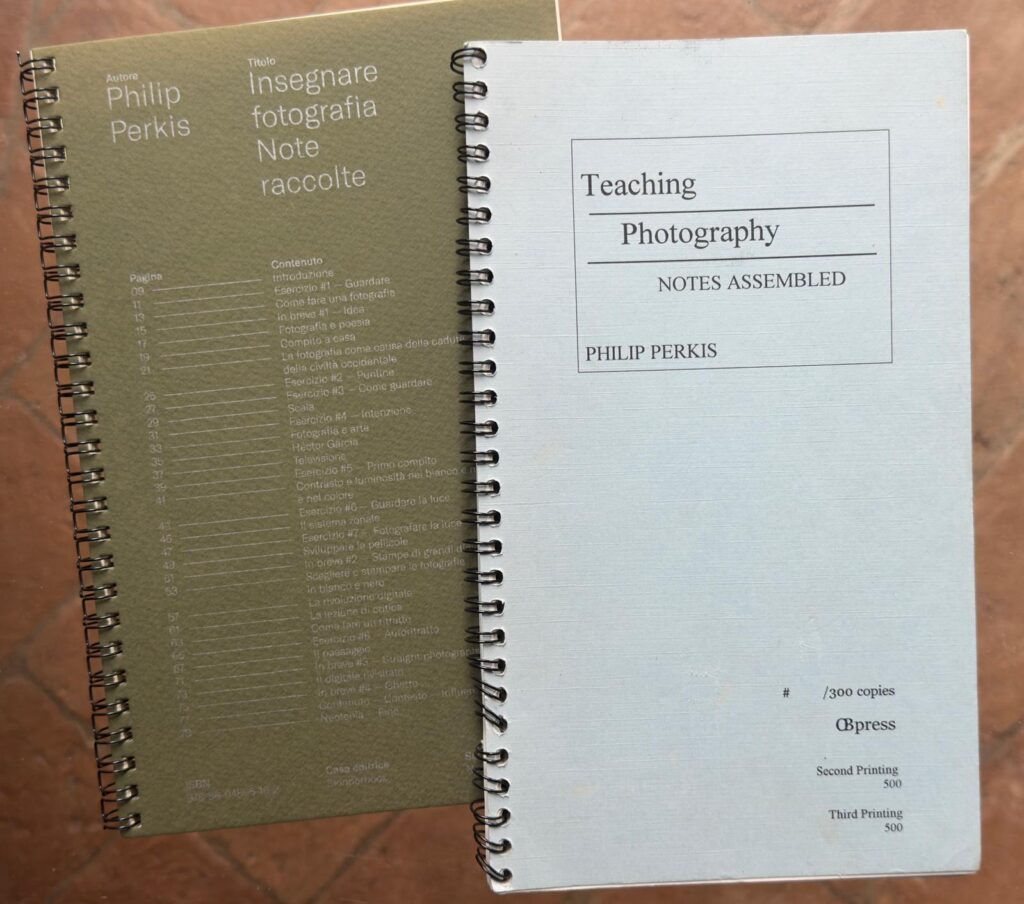
He never imposed a choice on a contact sheet. While some students found this lack of control frustrating, for me, it was exactly what I needed: a mentor who backed me up while allowing me the freedom to make my own choices. His own methodology was best summed up by his love for trout fishing. He taught us that photography, like fishing, requires a specific state of mind. You have to be prepared, but you can’t plan everything. You have to be in the right place at the right time and possess the intuition to ‘rein it in.’ You set out with a mission, but what you pull out of the water is part of a process you must be in tune with.
It was a very Zen approach: go to the areas you love, keep going back, and eventually, you will see beyond the obvious. It taught me the frame of mind of “finding the trouts.”
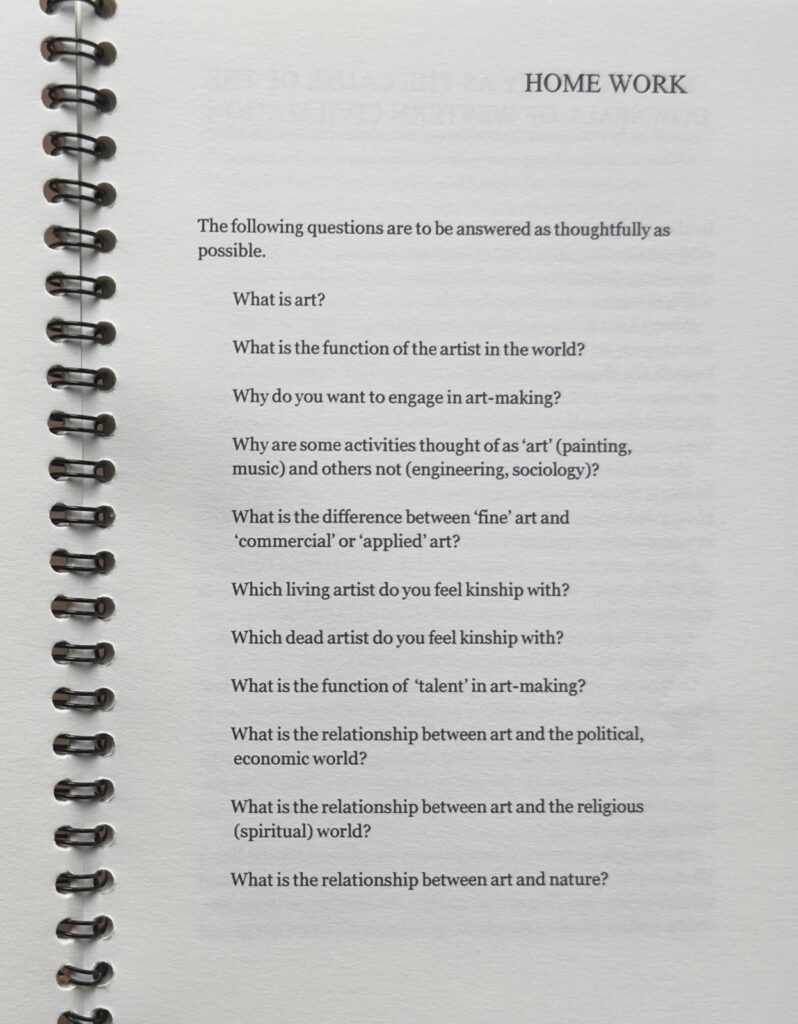
I often contrasted Phil with other professors like Arthur Freed, who was totally judgmental—to the point of making female students cry. Phil, by contrast, was a gentle observer. He was non-judgmental, and I inherited this approach in my own teaching.
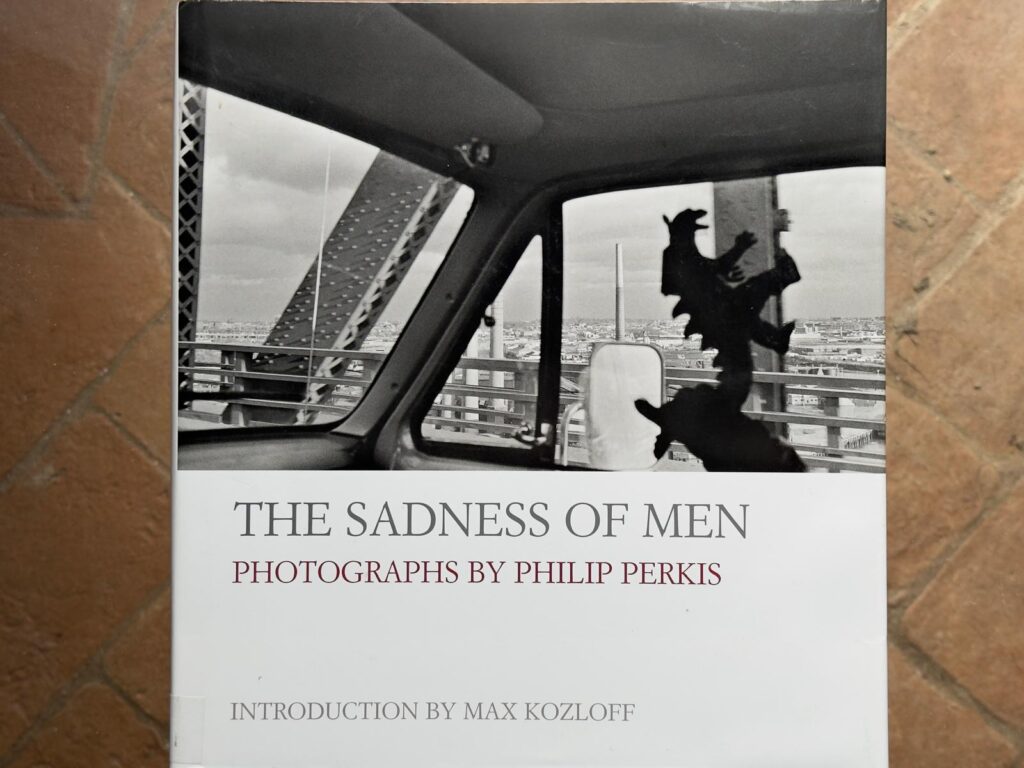
We also shared a certain melancholic loneliness, yet Phil managed to keep things light and funny. You can see this irony in his pictures. In his book The Sadness of Men, he responded to Max Kozloff on the difference between sadness and depression:
“I see sadness as a positive emotion, I see sadness as beautiful… a possibility of transcendence. Sadness and happiness are two sides of the same coin.”
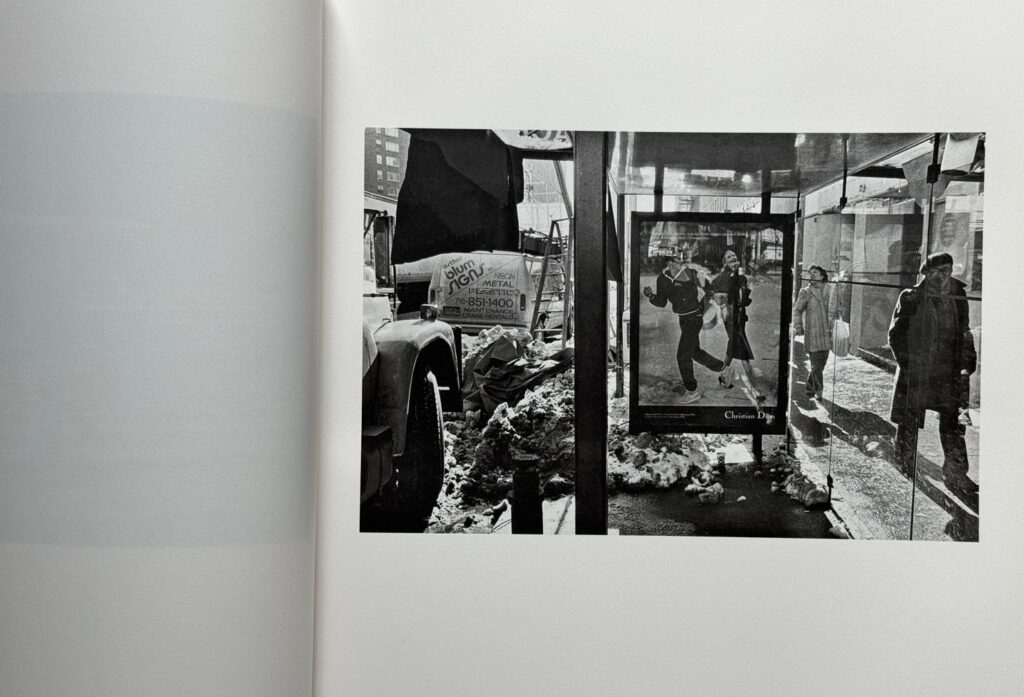
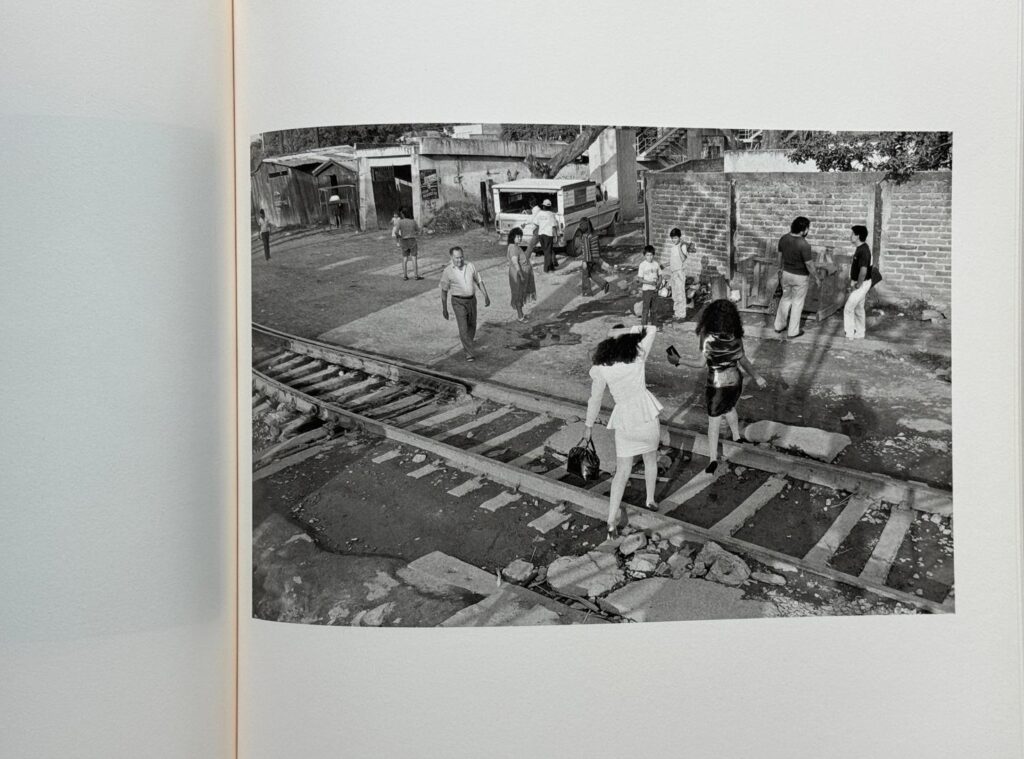
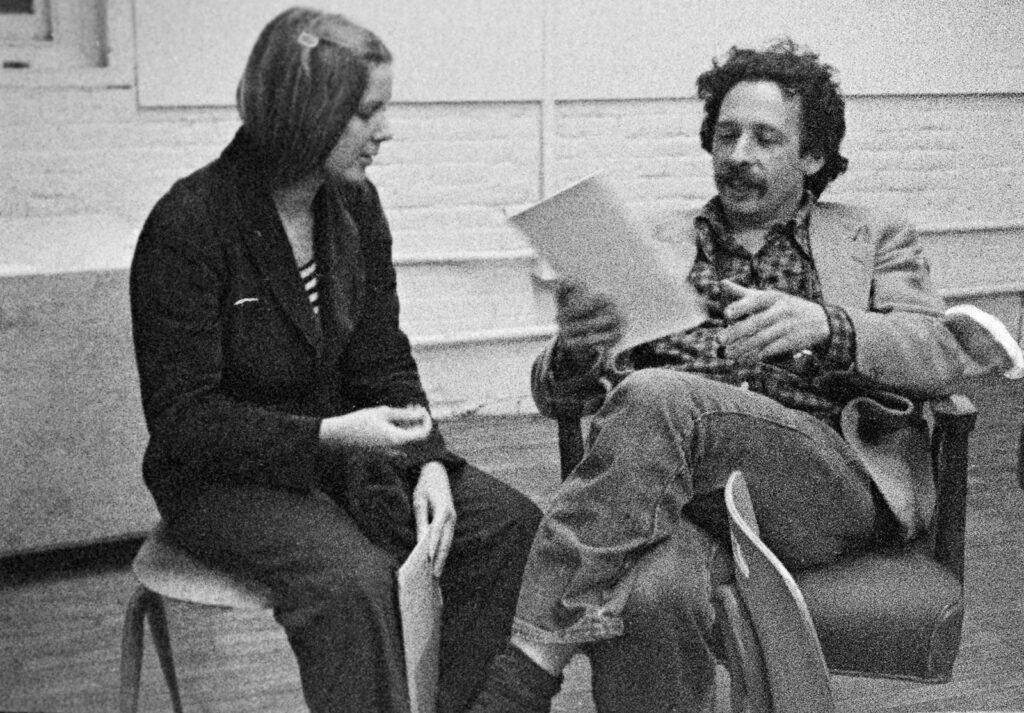
Our friendship lasted decades. Every time I returned to New York, we would meet for lunch. I recently found photos of him portrayed alongside Lois Conner; though I didn’t hang out with her in the 70s, we became close in the 80s when I was teaching at Cooper Union and she was at Yale.
Phil was incredibly supportive when I told him I wanted to open a school in Florence. He traveled there many times to give workshops. He was particularly enamored with Beato Angelico’s frescoes at San Marco, visiting the monks’ cells so often that the guards began to recognize him.
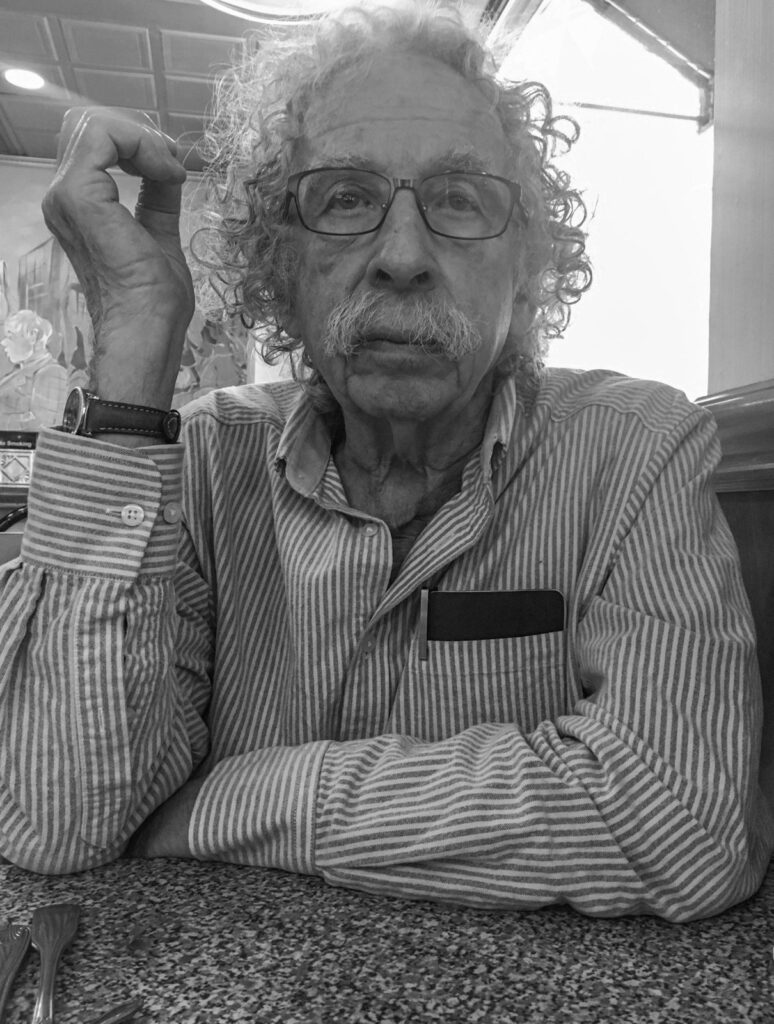
In his later years, Phil began to lose his sight. He approached it with his characteristic humor and a philosophical spirit.
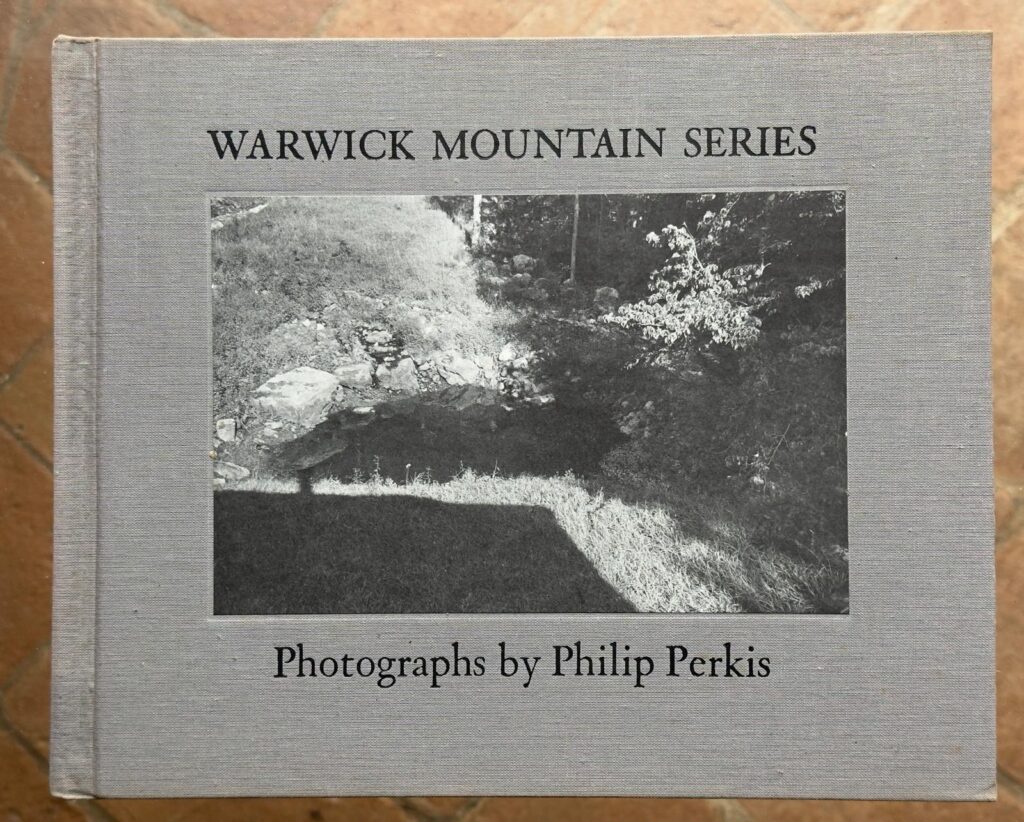
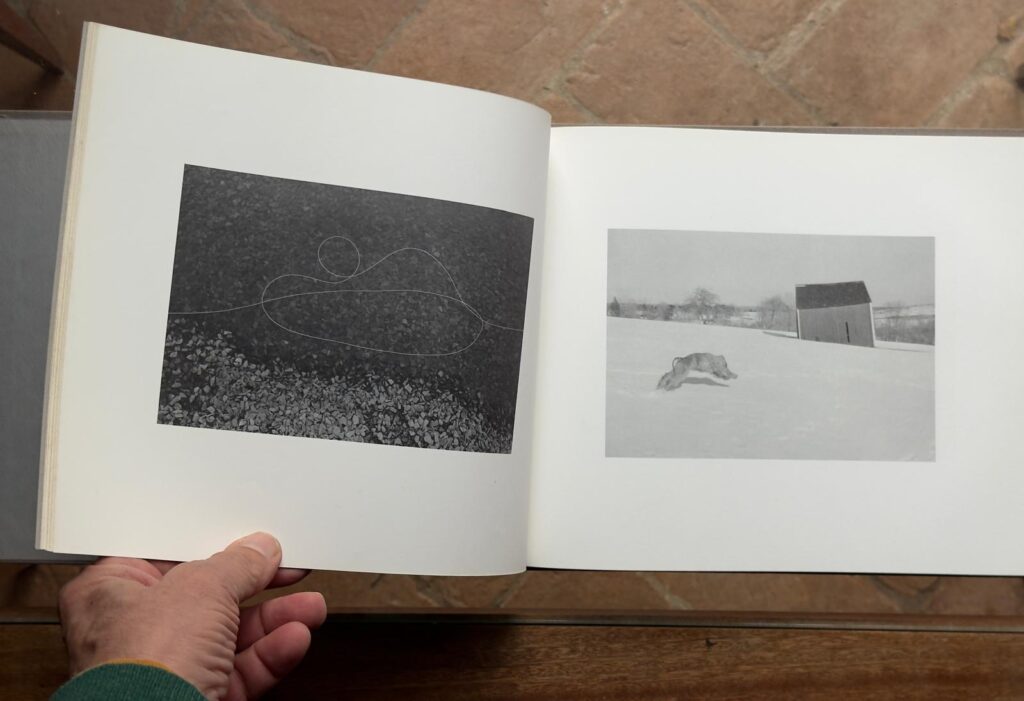
I still own the book I bought from him in 1978, the Warwick Mountain Series. Looking at his books today, I realize he taught me much more than I was willing to admit. Many of my early pictures were undoubtedly inspired by his personality and his way of looking at the world.
I wish I had more specific memories of his lectures, but I realize now that his teachings aren’t lost—they live on in my own photography and in the way I guide my students today. I would love to eventually start a network of Phil’s former students to keep that spirit alive.