
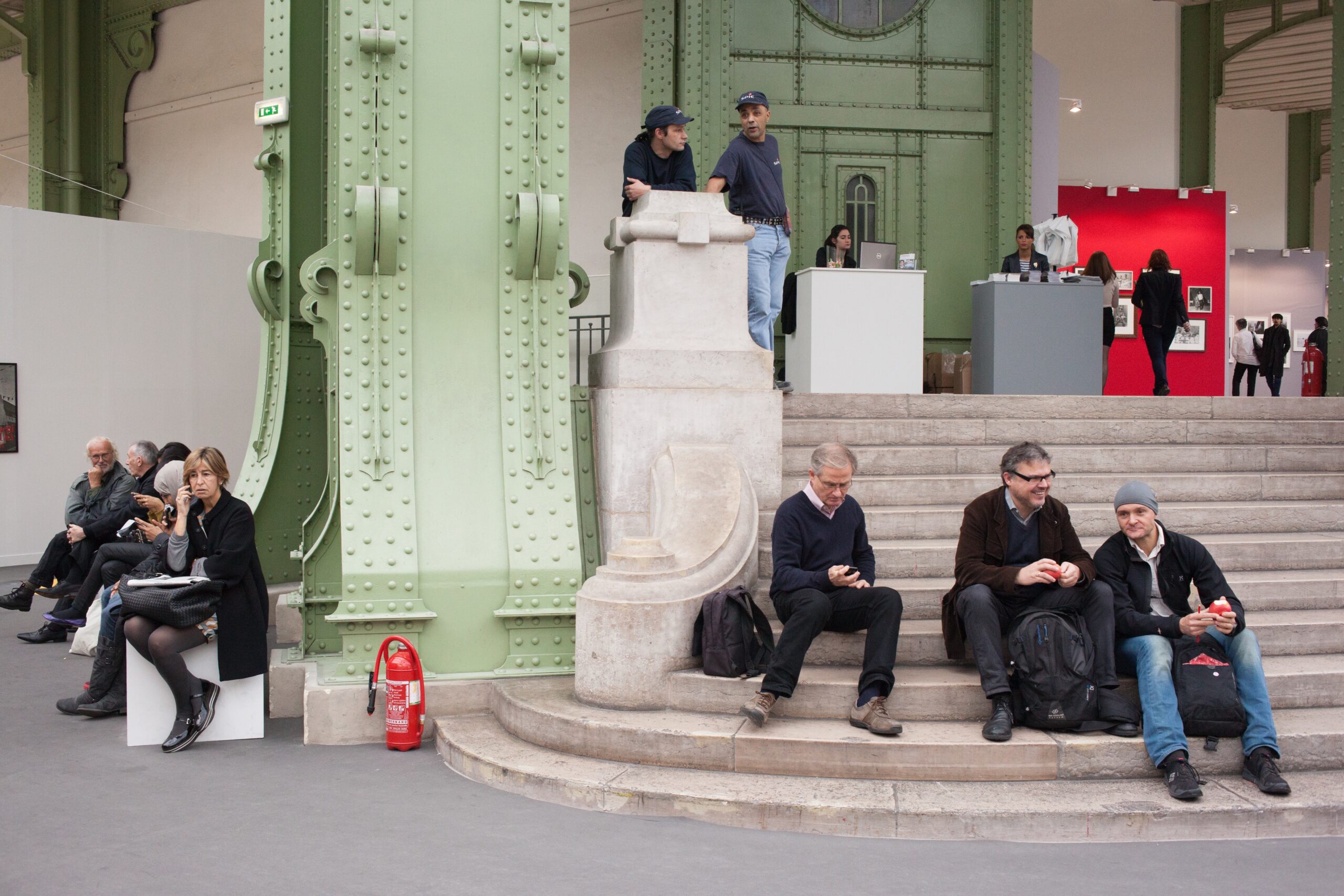
Paris Photo 2003-2019
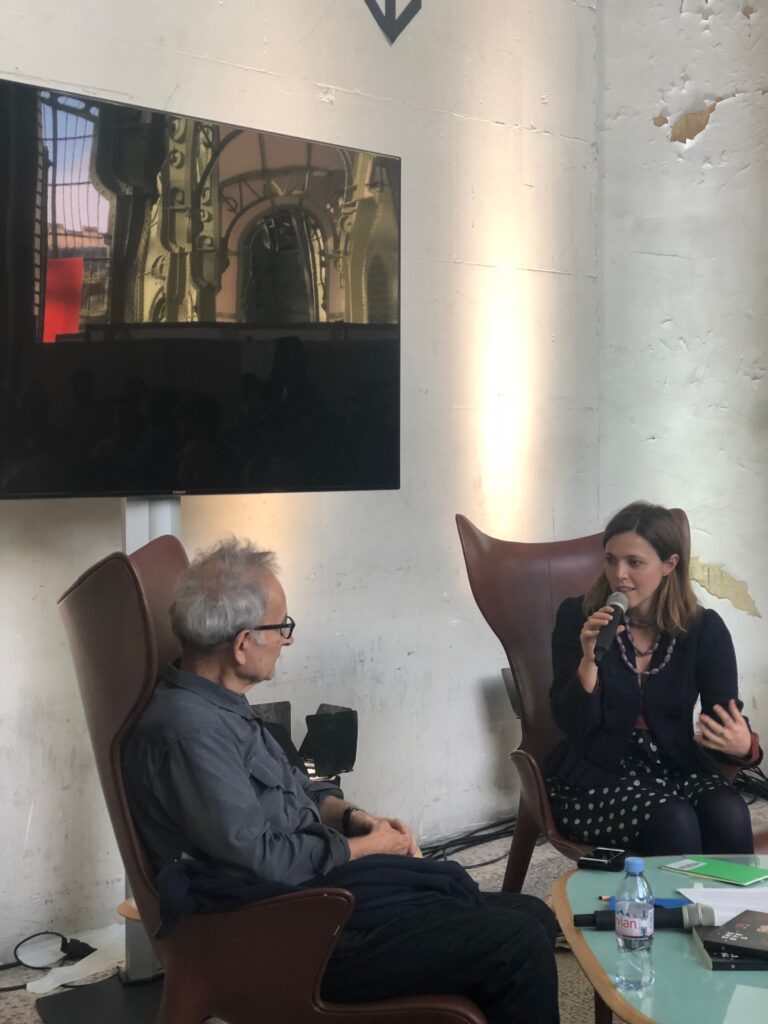
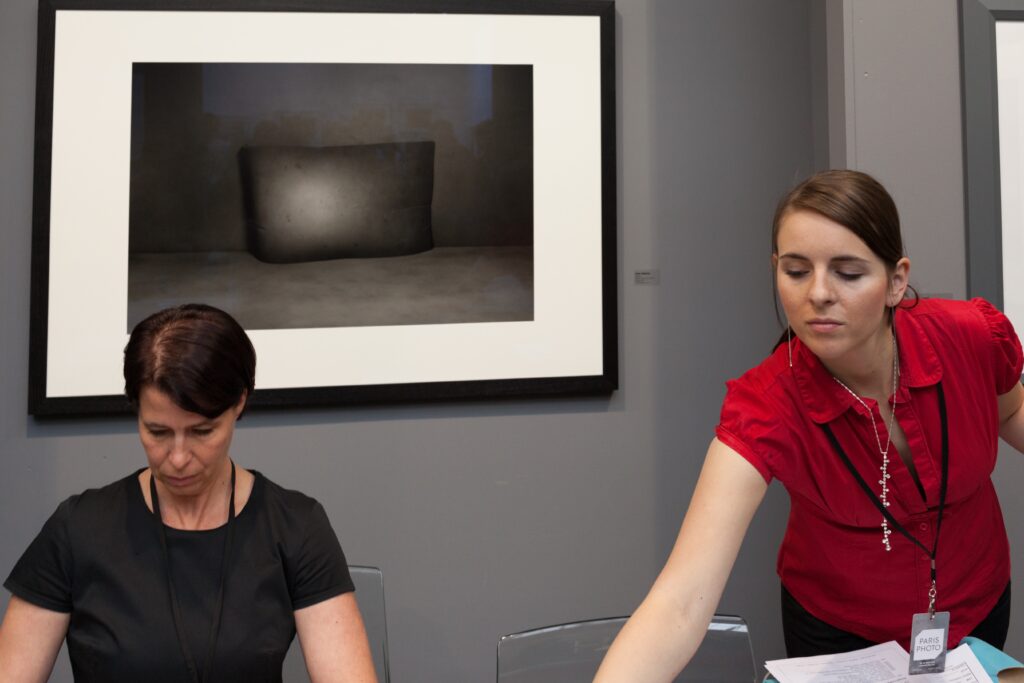
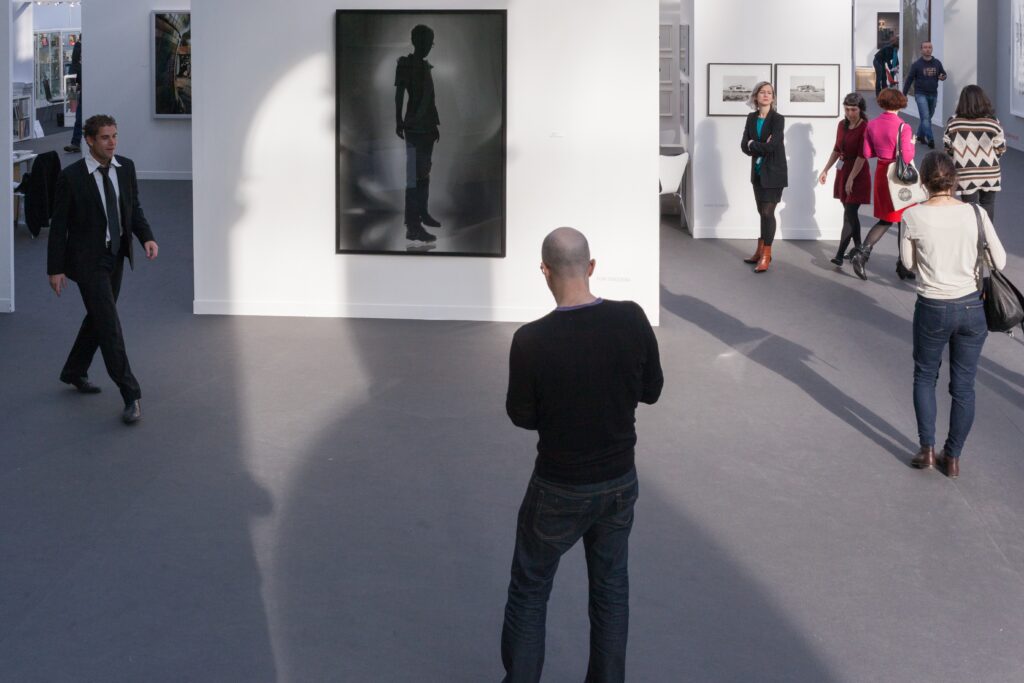
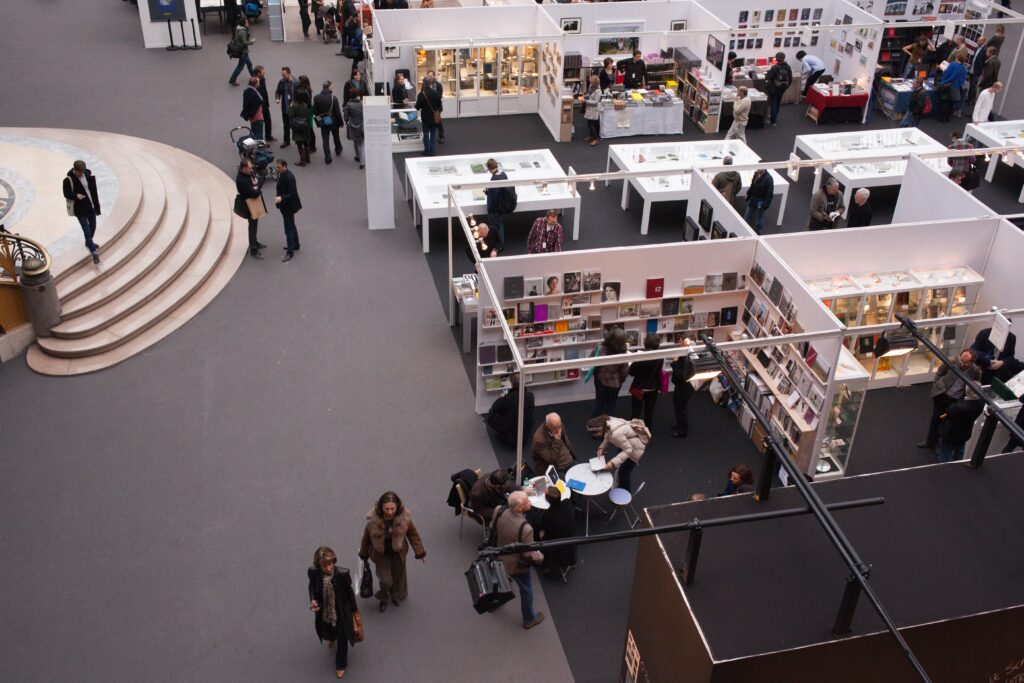
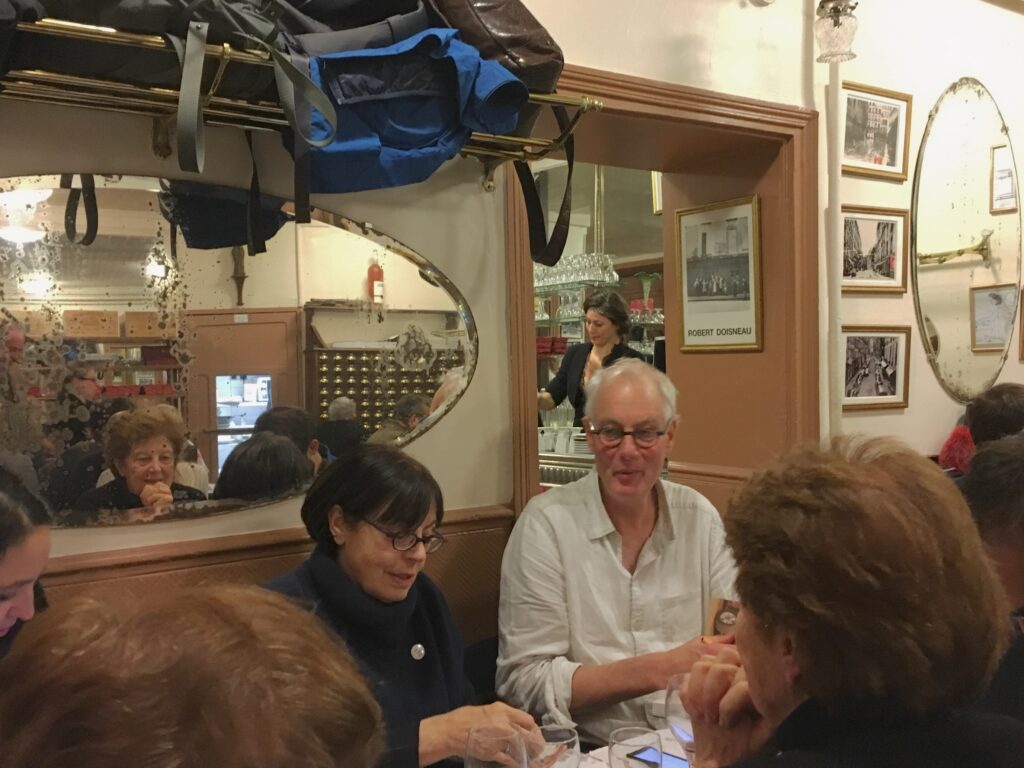
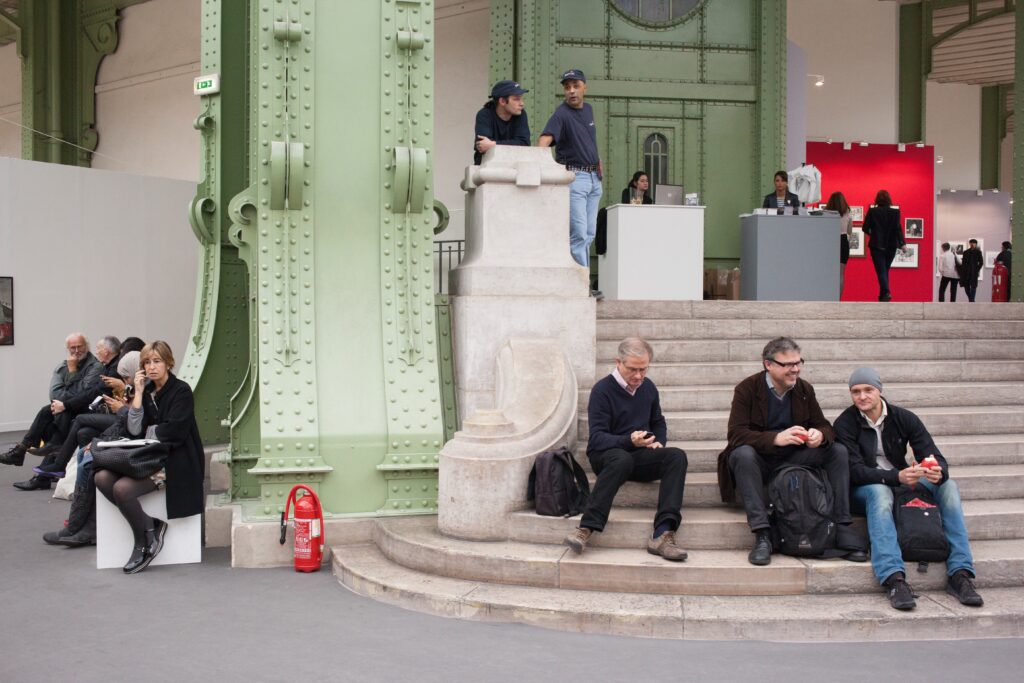
I’ve been attending Paris Photo regularly since the early 2000s. Since its launch in the late 1990s, it has become a cornerstone event in the global photography community, a fixture on the November calendar that feels essential each year. My reasons to attend is to meet people, reconnect with old friends, and see remarkable photography, but also to enjoy Paris, its museums, and galleries. And of course, to end the day with friends from the photo community in a French bistro. See you there!
For more Parisian photos, click here.

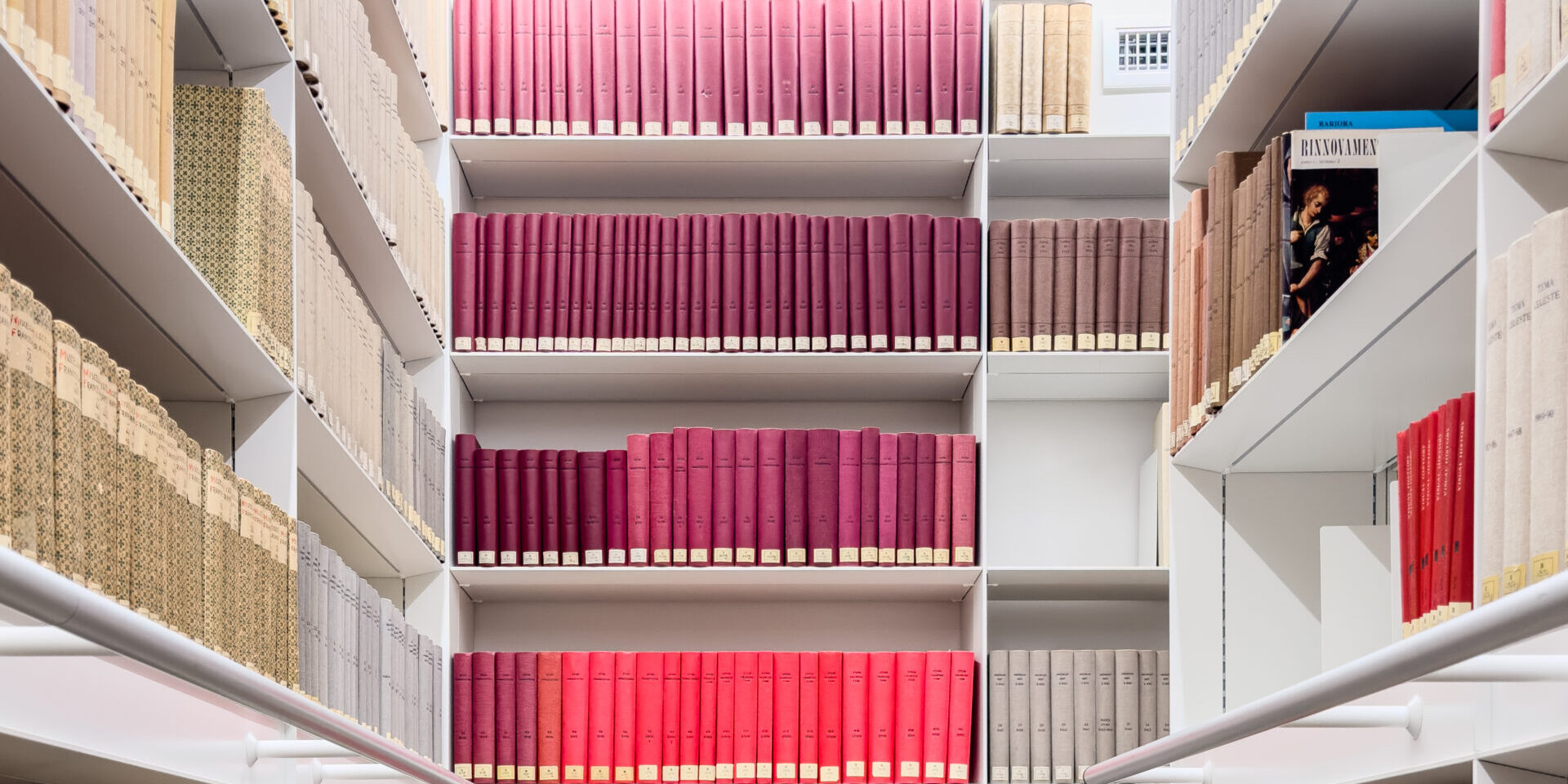
Mostra "TRANSITIONS: Via Modena 13"
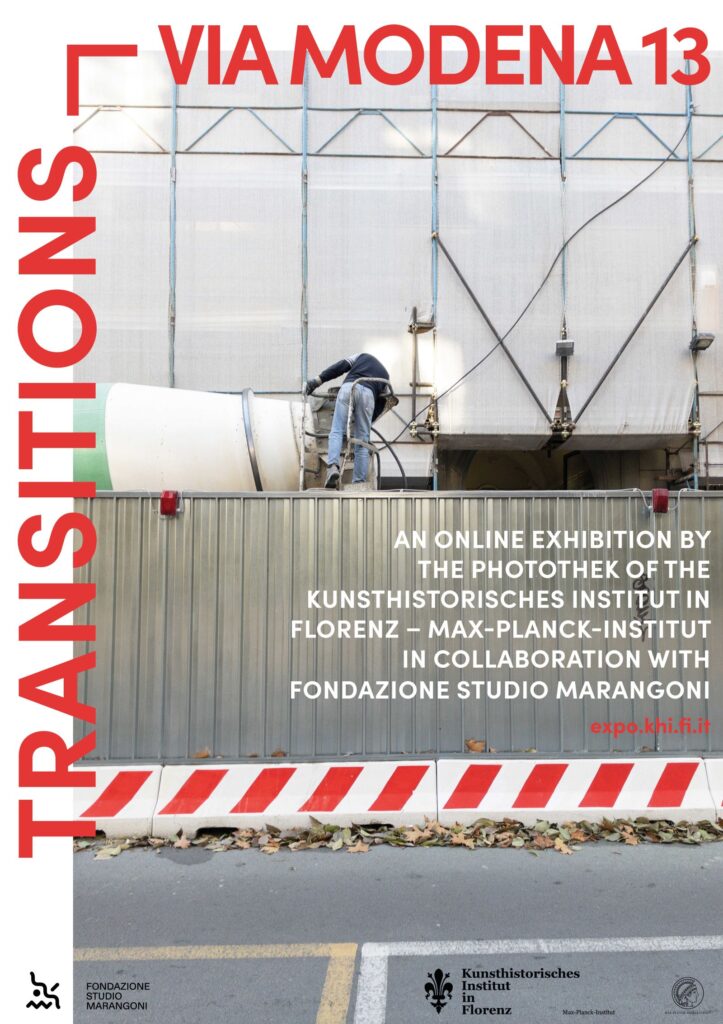
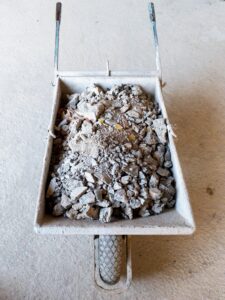
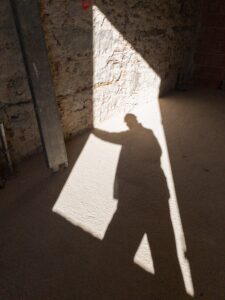
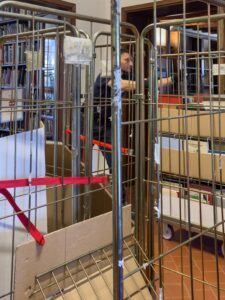
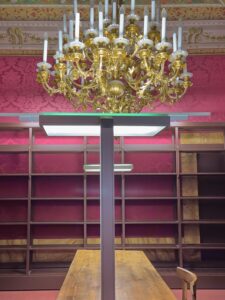
"In this series of images I wanted to describe the space of the construction site through the close observation of surfaces, materials and work objects that I found visually enticing. People are also shapes, shadows in movement within a theatrical choreography"
- Martino Marangoni
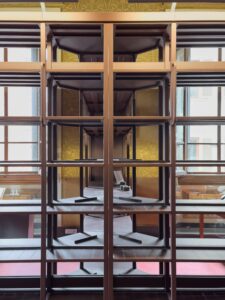
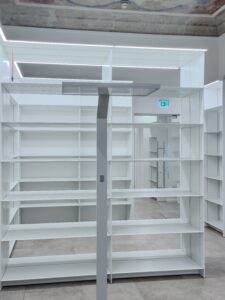
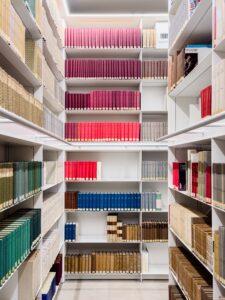
In the run-up to the opening of a new building for the Kunsthistorisches Institut in Florenz – Max-Planck-Institut at Via Gustavo Modena 13, the Photothek is presenting a new online exhibition starting on October 14, 2024, with photographs by Martino Marangoni, Bärbel Reinhard, Daniela Tartaglia, and Giuseppe Toscano. These four photographers and lecturers from the Fondazione Studio Marangoni documented the conversion of a residential building built at the turn of the 20th century into a modern research facility. Over the course of several years they photographed the ongoing project: from the beginnings of works in 2021 to their completion in 2023 and the subsequent move in spring 2024. Since then the Photothek, some sections of the Library (including the ‘Photography Reference Library’), the Lise Meitner Group Coded Objects and the Research Group Ethico-Aesthetics of the Visual have moved to their new location at Via Gustavo Modena 13. The resulting photographs offer a multifaceted documentation of the various phases of the building’s transformation, but are above all an artistic examination of the space of the construction site. The online exhibition shows a selection of these artistic analyses and interpretations in five chapters as well as a video by Martino Marangoni.
The online exhibition is visible here.
To see the full series, visit the dedicated gallery.